
Steel filing cabinets are a staple in offices and homes, yet constant handling, dust, paper residue, and even coffee spills can make them lose their original shine. Over time, this grime not only looks unprofessional but may also compromise the protective coating, leading to rust and corrosion. Fortunately, you don't need harsh chemicals or expensive services to bring your cabinet back to life. With a few household items and systematic techniques, you can restore its factory-like finish. This article outlines tested, safe cleaning steps, preventive maintenance tips, and guidance on when it makes more sense to replace your unit with a premium product from a reliable manufacturer such as LAKSHYO.
Why Regular Cleaning Matters More Than You Think
Steel filing cabinets endure constant pushing, pulling, and exposure to office pollutants. Dust and oil from fingertips settle on surfaces, gradually dulling the factory finish. If left untreated, this layer of grime can trap moisture, which accelerates oxidation and leads to unsightly rust spots. Regular cleaning not only preserves the cabinet's appearance but also ensures that drawers glide smoothly and locks function reliably. A clean cabinet reflects a professional workspace and keeps important documents safe from contaminants.
The Hidden Dangers of Dust and Grime
Dust may seem harmless, but its abrasive particles can scratch the finish when you wipe with a dry cloth. In humid environments, dust absorbs moisture and creates a film that promotes corrosion. Moreover, paper fibers from documents can accumulate along drawer edges, causing misalignment over time. Understanding these hidden risks helps you appreciate why routine maintenance matters.
How Cleaning Protects Your Investment
A high-quality steel cabinet is an investment. With proper care, it can last decades. Cleaning removes corrosive agents and preserves the protective layer of paint or powder coating. This is especially important if you plan to sell or pass the cabinet to another department. A well-maintained piece also retains more value than a neglected one. For businesses that want long-term durability, choosing a reliable manufacturer like LAKSHYO from the start reduces the frequency of deep cleaning and repairs.
Step-by-Step Guide to Cleaning Your Steel Filing Cabinet
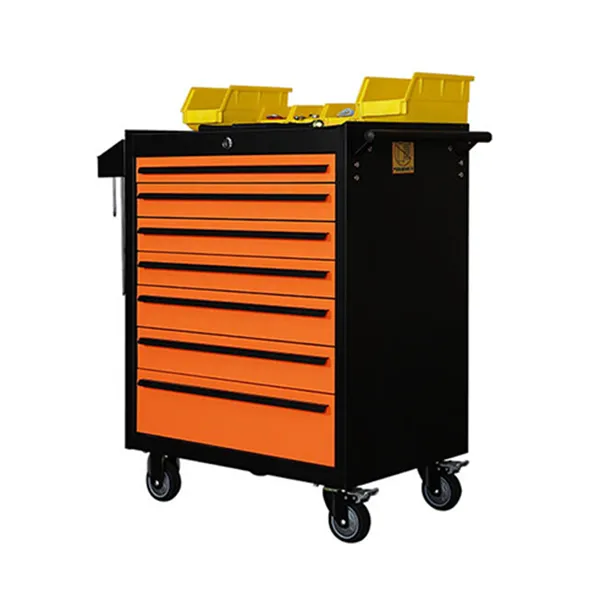
Before you begin, set aside 30 to 60 minutes depending on the level of dirt. Always test any solvent on an inconspicuous area first to ensure it does not damage the finish.
Gather the Right Supplies
You will need:
- Microfiber cloths (at least two)
- Warm water
- Mild dish soap or a pH-neutral cleaner
- White vinegar or isopropyl alcohol (for adhesive residue)
- Baking soda (for stubborn stains)
- Fine steel wool (#0000 grade) or a non-scratch scouring pad
- Cotton swabs
- A soft toothbrush
- A dry towel
- Optional: metal polish or automotive wax
Using the correct supplies is critical. Harsh chemicals like bleach or ammonia can strip protective coatings and permanently discolor steel. Stick to gentle cleaners to keep the surface intact.
Remove Dust and Loose Debris
Start by emptying the cabinet completely. Use a dry microfiber cloth or a vacuum with a soft brush attachment to remove dust from all exterior panels, drawer faces, and the top surface. Do not forget the back edges and underneath the cabinet. For crevice areas around handles and locks, use a cotton swab. Removing loose particles before applying any liquid prevents scratching from dragging grit across the paint.
Wash the Surface with Mild Cleaner
Mix a few drops of dish soap into a bucket of warm water. Dip a microfiber cloth into the solution and wring it thoroughly until it is only slightly damp. Wipe down the cabinet in straight, overlapping strokes. Avoid circular motions, which can leave streaks. Pay special attention to areas near handles where fingerprints accumulate. Do not soak the metal; excess moisture can seep into seams and cause rust. Use a second clean, dry cloth to wipe off any residual moisture immediately.
For the drawer interiors, use a cloth dampened with the same solution. If you notice paper dust or old sticky labels, gently lift them with a plastic scraper. Avoid metal scrapers that can gouge the surface.
Remove Stubborn Stains and Adhesive Residue
When soap and water are not enough, apply a paste of baking soda and water to the stain. Rub gently with a soft cloth using small, circular motions. Rinse with a clean damp cloth and dry immediately. For adhesive residue from old labels or tape, soak a cotton ball in isopropyl alcohol or white vinegar and press it over the residue for a few minutes. The adhesive will soften and peel away with a plastic scraper. Never pull at the residue forcefully, as this could strip paint.
Tackle Scratches and Scuffed Areas
Light scratches can be minimized with a small amount of automotive polish. Apply it with a soft cloth and buff in the direction of the brush stroke. For deeper scratches that expose bare metal, you may need touch-up paint specifically designed for metal office furniture. Apply a thin coat with a fine brush and allow it to dry completely. If the entire cabinet has a worn, uneven appearance, consider professional refinishing or replacement.
Fighting Rust: Prevention and Removal
Rust is the biggest enemy of steel furniture. It starts as small brown specks and can expand into deep pits if ignored. Addressing rust early prevents spreading and maintains structural integrity.
Identifying Early Rust Spots
Inspect your cabinet every few months, especially along the bottom edges, drawer rails, and handles. These areas collect moisture and are prone to chipping. Use a flashlight to reveal hidden spots. If you see any orange-brown discoloration, treat it immediately.
Gentle Rust Removal Techniques
For superficial rust, make a paste with baking soda and lemon juice or water. Apply it to the rusted area and let it sit for five minutes. Then rub with fine steel wool (#0000) in a back-and-forth motion. Be gentle—you only want to remove the rust, not the underlying coating. Wipe the area with a clean damp cloth and dry thoroughly. For more severe rust, use a commercial rust remover following the manufacturer's instructions. After removing rust, apply a thin layer of metal primer and matching paint to seal the bare metal.
Protecting Against Future Corrosion
Once the cabinet is clean and dry, apply a protective coating of automotive wax or a metal protectant. This creates a barrier against humidity and spills. Reapply every three to six months. In coastal areas with high salt air, more frequent application is advisable. Also, avoid placing humidifiers or plants directly on the cabinet, as constant moisture can lead to rust.
Professional Refinishing vs. Replacement
Sometimes, a cabinet is too damaged for at-home cleaning. Deep rust, extensive paint bubbling, or structural damage require professional intervention. But before you spend money on refinishing, compare the cost with purchasing a new, high-quality steel cabinet.
When DIY Cleaning Isn't Enough
If your cabinet's surface is badly corroded or the drawers no longer align properly, professional sandblasting and repainting can restore it. However, this process is time-consuming and may cost more than a new entry-level cabinet. Additionally, old cabinets may have outdated locking mechanisms that don't meet current security needs. In such cases, replacement is more practical.
Why LAKSHYO Steel Cabinets Are Worth the Upgrade
For those who prefer a fresh start, investing in a premium steel filing cabinet from LAKSHYO offers peace of mind. LAKSHYO cabinets are designed with durable powder-coated finishes that resist scratches and rust, smooth ball-bearing slides, and reinforced frames. Their materials are chosen to minimize maintenance and extend service life. While cleaning your old cabinet is an excellent short-term solution, upgrading to a LAKSHYO product gives you a modern aesthetic and long-term reliability.
Daily Habits to Keep Your Cabinet Looking Brand New
Prevention is the best cleaning strategy. Adopt these simple habits to maintain the just-washed look.
Use Coasters and Mats
Place a protective mat on top of the cabinet to prevent scratches from decorative items or office supplies. Use felt pads under containers. In drawers, add non-adhesive liners to catch dust and prevent small items from scratching the metal.
Control Humidity and Sunlight
Keep the cabinet away from direct sunlight, which can fade the paint. Maintain indoor humidity levels between 30% and 50%. Use a dehumidifier in damp basements. Ensure the room is well-ventilated to avoid condensation on metal surfaces.
Lubricate Moving Parts Regularly
A cabinet that opens smoothly is less likely to suffer from misalignment. Apply a silicone-based lubricant to drawer slides and locking mechanisms every six months. Wipe away any excess to avoid attracting dust. This simple step prevents wear and tear, keeping the cabinet functional and new-looking.
Finally, remember that cleaning a steel filing cabinet doesn't have to be a dreaded chore. By using the right techniques and a consistent maintenance routine, you can keep your office furniture in pristine condition for years. And when the time comes for a replacement, consider LAKSHYO for a durable, low-maintenance solution that fits your professional environment.