
Every office eventually faces the same dilemma: files pile up, drawers jam, and storage space becomes a liability rather than an asset. While a standard filing cabinet may suffice in the early days, growing workloads demand a more robust solution. Recognizing the warning signs before a complete breakdown can save you from document loss, workplace injuries, and costly replacement cycles. Below are seven indicators that your organization has outgrown conventional storage and needs the reliability of a heavy-duty steel filing cabinet.
1. Your Files Are Outgrowing Your Current Storage
If you find yourself stacking folders on desktops, shelves, or even the floor, your filing system has already reached its limit. A heavy-duty steel filing cabinet is engineered to accommodate higher volumes of documents without sagging or warping. Unlike lighter particleboard units, heavy-gauge steel construction maintains its structural integrity even when fully loaded. When your active files no longer fit neatly into drawers, it is not a clutter problem—it is a capacity problem that demands a heavier solution.
2. Frequent Overload Warnings and Bent Drawers
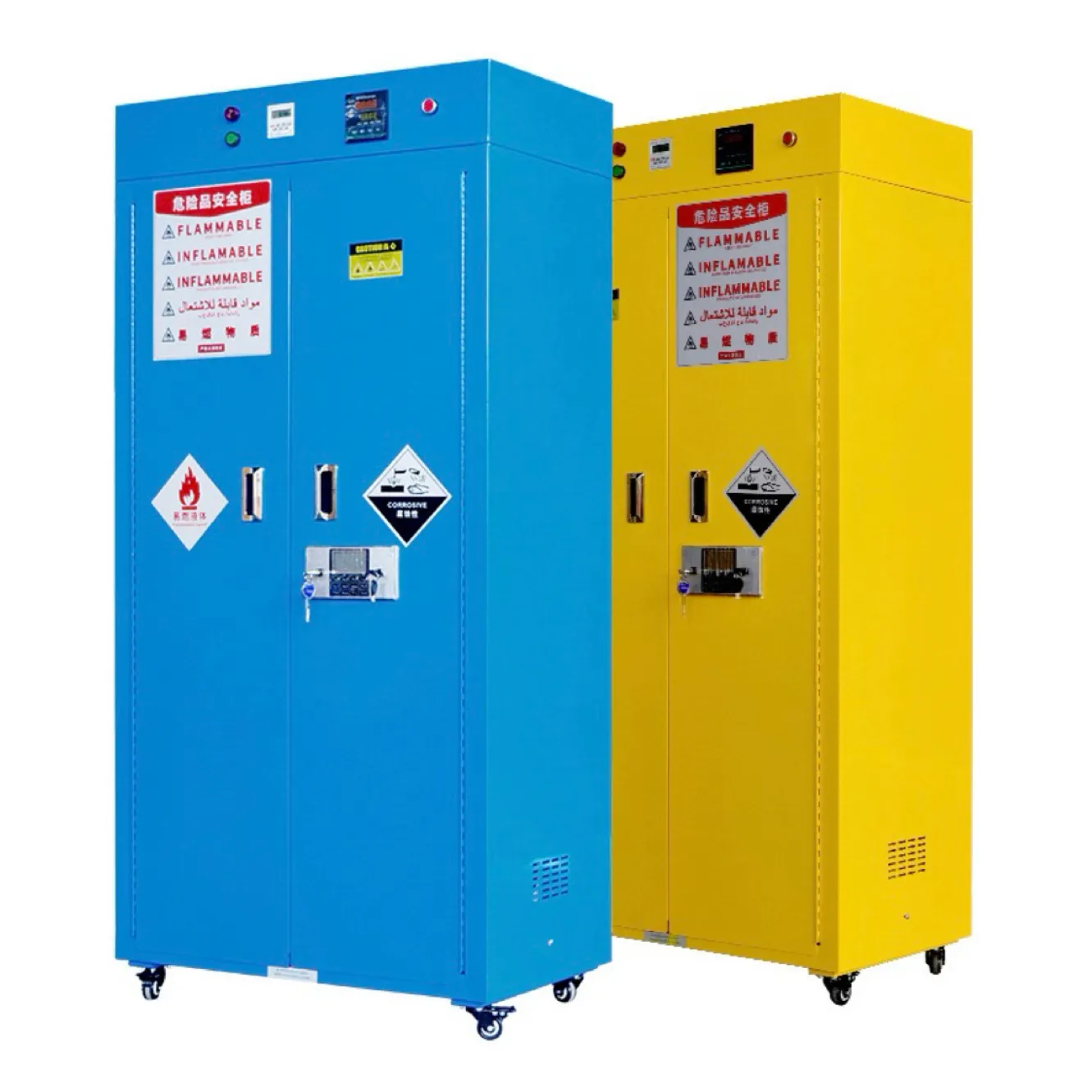
Standard filing cabinets are designed for occasional use and moderate weight. If you notice drawers misaligned, difficult to close, or visibly sagging when open, you have exceeded the manufacturer’s load rating. Overloaded drawers create safety hazards and damage documents over time. Heavy-duty steel filing cabinets feature reinforced drawer slides and a robust frame that handles dense, heavy folders with ease. The investment in such a cabinet eliminates the recurring cost of replacing damaged drawers and maintains smooth operation under continuous stress.
3. Your Workspace Feels Unstable or Noisy
A wobbly cabinet or one that rattles every time a drawer opens is a sign of weak structural integrity. This instability can lead to tipping accidents, especially when the upper drawers are loaded first. A heavy-duty steel cabinet provides a low center of gravity and a rigid body that remains stable on uneven floors. The extra weight and precision manufacturing also reduce operational noise, allowing employees to access files without disruptive clatter. Stability is not just a comfort factor—it is a core safety requirement.
4. You Need Fire and Security Protection for Critical Documents
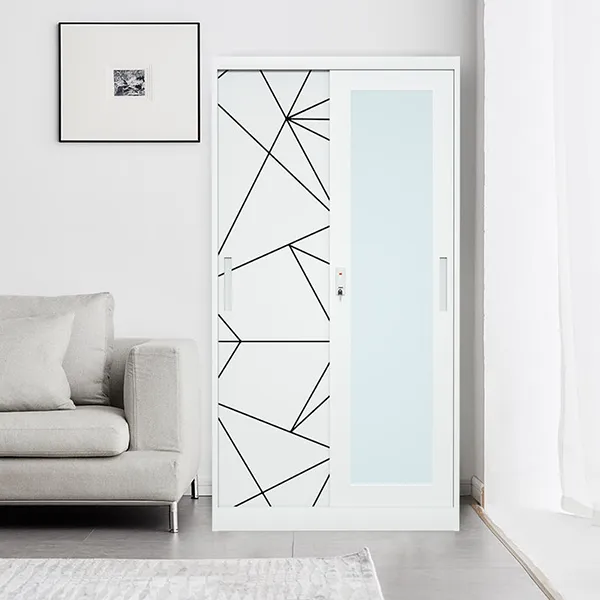
Commercial leases and audits often require protecting sensitive client records, contracts, and financial data. Standard cabinets offer little resistance against fire or unauthorized access. Heavy-duty steel filing cabinets, particularly those with fire-resistant insulation and secure locking mechanisms, provide a defensible layer of protection. If your current storage consists of flimsy boxes or unsecured furniture, you are exposed to regulatory penalties and reputation damage. For organizations that handle confidential information, this upgrade is no longer optional.
5. Your Current Cabinet Cannot Handle High-Density Filing
Efficient filing requires more than just space; it requires organization at scale. Heavy-duty cabinets allow for lateral or vertical filing systems that maximize the footprint of your office. Many models support adjustable rails and hanging folder systems, letting you customize drawer height to match different file sizes. If you frequently struggle to retrieve documents quickly or have to shuffle through overcrowded piles, your storage system is actively hurting productivity. A heavy-duty steel cabinet enables high-density storage while preserving an orderly retrieval workflow.
6. The Cost of Cheap Furniture Keeps Rising
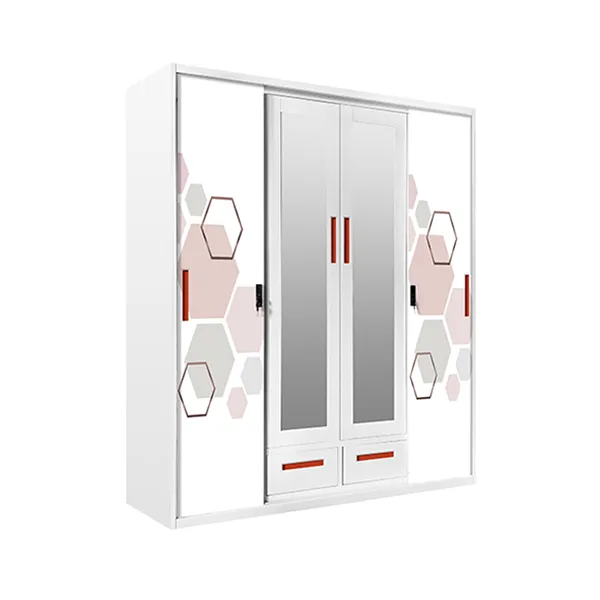
Buying a low-cost filing cabinet every two years because it bends, rusts, or falls apart is a false economy. The true cost includes lost time, damaged documents, and the inconvenience of replacement. Heavy-duty steel cabinets, when properly maintained, can last for decades. They resist corrosion, impact, and everyday wear far better than wood or plastic alternatives. Consider the total cost of ownership: a premium cabinet from a trusted manufacturer like LAKSHYO delivers a significantly lower cost per year of service, making it the financially responsible choice for long-term operations.
7. You're Planning an Office Expansion or Reorganization
Moving to a new office, renovating, or simply reconfiguring your floor plan is the perfect moment to standardize your storage infrastructure. Existing furniture that barely survived its previous location should not be carried forward. A heavy-duty steel filing cabinet offers uniform dimensions, easy assembly, and a professional appearance that fits renovation projects. By upgrading during the planning phase, you avoid future workflow interruptions and create a scalable filing system that grows with your team.
What to Look for in a Heavy-Duty Steel Filing Cabinet
When selecting a cabinet, pay attention to the steel gauge—lower numbers mean thicker steel. Look for ball-bearing drawer slides, a powder-coated finish for scratch resistance, and a central locking bar for security. LAKSHYO offers a range of heavy-duty steel filing cabinets designed to meet these exact standards, with sizes and configurations suitable for both private offices and open-plan environments.
Why Choose a Purpose-Built Heavy-Duty Design
Using consumer-grade furniture in a demanding work environment is a common mistake. Heavy-duty steel filing cabinets are not just bigger versions of small cabinets; they are re-engineered with reinforced corner construction, seamless drawer bodies, and anti-tip mechanisms. These details make a measurable difference in daily operations. Whether you are filing paper records, binders, or sensitive electronics, the right cabinet protects your assets and your people.
Recognizing these seven signs early allows you to make a proactive storage decision rather than a reactive one. From preventing physical damage to ensuring compliance and increasing office efficiency, a heavy-duty steel filing cabinet is a foundational investment. When you are ready to upgrade, evaluate options from LAKSHYO to find a model that aligns with your workflow, security requirements, and space constraints. Your documents—and your employees—deserve storage that works as hard as they do.