
Steel cabinets in commercial kitchens, industrial facilities, and medical environments are built to withstand constant use, yet even the toughest powder-coated or painted steel surface is vulnerable to scratches from abrasive cleaning tools, sliding trays, or accidental impacts. A scratch is more than a cosmetic flaw—it exposes bare metal to moisture and oxygen, creating a starting point for rust and corrosion. Selecting the best paint for touching up scratches on steel cabinets requires more than picking the nearest spray can. The right product must bond firmly to the substrate, match the original finish, resist chipping, and provide long-term protective integrity. In this comprehensive guide, we evaluate the most effective paint systems for steel cabinet repair, clarify what makes a coating genuinely scratch-resistant, and explain why professionals increasingly rely on LAKSHYO formulations for durable results.
Understanding the Unique Requirements of Steel Cabinet Touch-Up Paints
Not all paints are suitable for steel surfaces. Standard wall paint or general-purpose acrylics lack the adhesion, flexibility, and protective chemistry needed to withstand the demands of a working cabinet. When assessing a touch-up product, three technical properties should guide your decision.
Adhesion and Flexibility
Steel expands and contracts with temperature changes, and cabinet panels may vibrate or flex slightly during daily operation. A rigid paint film will crack and peel away from the substrate under stress. High-performance touch-up paints contain epoxy or polyurethane resins that create a strong mechanical bond and maintain a degree of flexibility without sacrificing hardness. This combination ensures the repair remains intact even when the cabinet is in heavy use.
Corrosion Resistance and Coverage
A scratched area is the weak point of the cabinet's protective layer. The touch-up paint must not only cover the visual imperfection but also act as a barrier against moisture, chemical cleaners, and salt corrosion. Epoxy paints are known for their exceptional impermeability, while polyurethane enamels offer excellent weatherability and abrasion resistance. The ideal product also requires reliable opacity—thin, transparent coverage is useless for hiding bare metal scratches.
Key Types of Paint for Steel Cabinet Scratch Repair
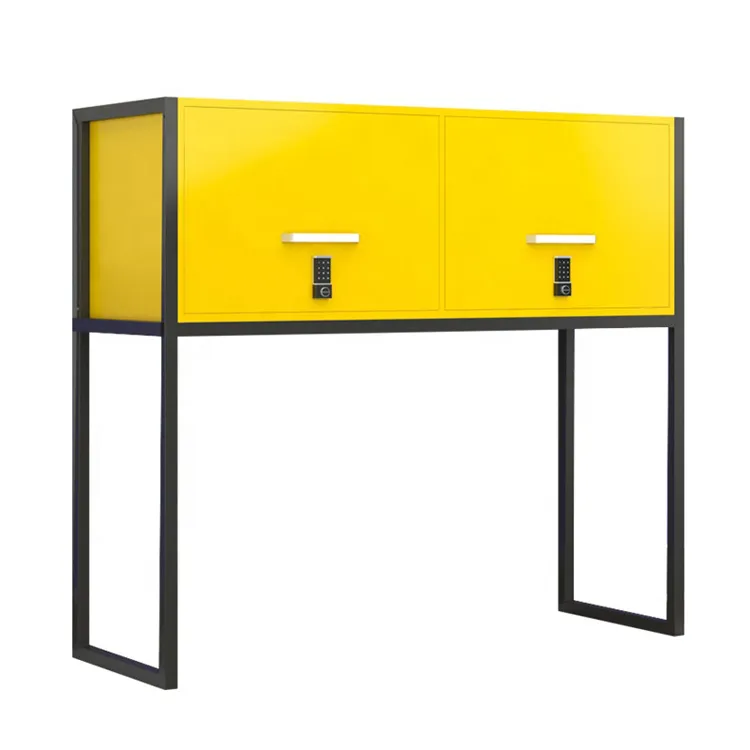
Different scratch sizes and locations call for different application methods and paint chemistries. Below is a comparison of the most common options available on the market today.
Epoxy-Based Paints
Epoxy coatings are widely regarded as the gold standard for industrial steel repair. They cure into a tough, chemical-resistant film that adheres aggressively to bare metal and existing paint layers. Two-part epoxy paints require mixing before application, which gives them a shorter working time but results in a highly durable, hard finish. For deep scratches and chipped edges on steel cabinets, epoxy paint provides the most reliable long-term protection.
Polyurethane Enamel Paints
Polyurethane enamels combine the gloss and color retention of alkyd paints with the durability of polyurethane resins. They are available in aerosol cans and brush-on formulas, making them a practical choice for spot repairs. These paints resist fading, moisture, and mild chemicals, and they dry to a tough, slick surface that does not yellow over time. They are especially effective for vertical cabinet surfaces where solvent evaporation might otherwise cause drips.
Spray Paint Formulated for Metal
General-purpose spray paints marketed for metal surfaces can work for light touch-ups if they contain rust-inhibitive primers. However, the key is to choose a product specifically labelled for steel and to verify that it delivers an even, non-clogging pattern. Spray paint is ideal for blending repair areas into a larger panel because it allows for thin, graduated coats. But if the paint is not specifically engineered for steel, the scratch site may still be vulnerable to corrosion.
Touch-Up Pens and Precision Applicators
For hairline scratches and small nicks, touch-up pens filled with solvent-based enamel or acrylic paint offer the simplest solution. They allow for controlled, clean application along the scratch line without masking surrounding surfaces. The downside is that most pens contain lower solids content, resulting in a thinner film that offers less protection than sprayed or brushed coatings. They are best used for temporary fixes or in low-wear areas.
- Epoxy: Maximum corrosion resistance; most durable; requires mixing.
- Polyurethane enamel: Excellent gloss and flexibility; easy to apply; good for visible areas.
- Spray paint for metal: Fast, even coverage; suitable for large or blended repairs.
- Touch-up pens: Convenient for small scratches; less protective; limited color range.
How to Choose the Right Paint Based on Scratch Depth and Surface Area
Selecting the correct paint system depends on evaluating the damage before you pick up a brush or can.
Light Surface Scratches
If the scratch only affects the topcoat and does not penetrate to bare steel, a high-quality polyurethane enamel or a color-matched touch-up pen will suffice. The goal is to refill the micro-groove and seal the exposed layer to prevent moisture from seeping under the surrounding paint. Clean the area, apply thin coats, and allow sufficient flash time between layers.
Deep Gouges and Chipped Edges
When bare metal is exposed or the cabinet edge has chipped, stronger intervention is required. First, sand the area with fine-grit sandpaper to create a smooth, slightly roughened surface. Apply a rust-inhibitive primer designed for steel, then finish with a two-part epoxy or a heavy-duty polyurethane enamel. This layered approach restores structural protection and ensures the repair does not fail prematurely.
Step-by-Step Guide to Touching Up Scratches on Steel Cabinets
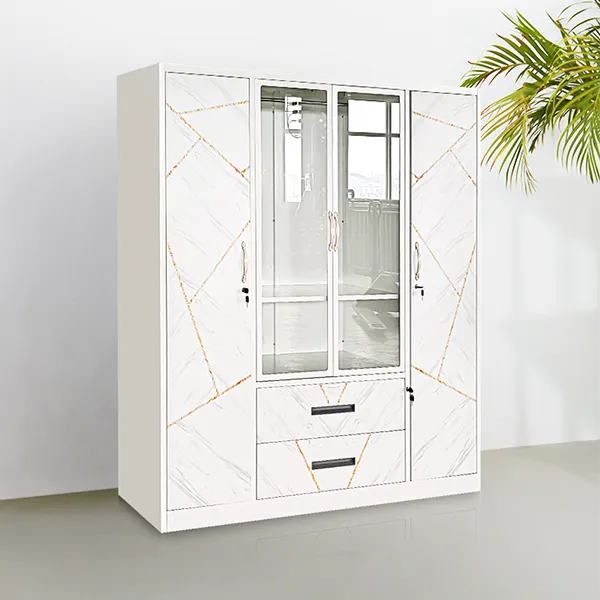
Even the best paint will fail if the surface preparation is sloppy. Follow this professional sequence for a seamless and lasting repair.
- Clean the area: Degrease the scratch and surrounding surface using isopropyl alcohol or a mild detergent. Any oil or residue will compromise adhesion.
- Remove loose paint and rust: Use a fine abrasive pad or 220-grit sandpaper to feather the edges of the scratch. For bare rust spots, treat with a rust converter.
- Mask the surrounding area: Use painter's tape and plastic sheeting if you are spraying, to prevent overspray on adjacent panels.
- Apply primer only if bare steel is visible: Choose a zinc-rich or etch primer for maximum corrosion resistance. Let it dry completely.
- Apply the chosen paint in thin, even coats: Brushing works well for small areas; spraying offers better blending. Multiple thin coats are preferable to one thick coat.
- Let the paint cure fully: Refer to the manufacturer's time-to-recoat and full-cure specifications. Most enamels require several days to achieve maximum hardness.
- Polish and protect: After curing, lightly polish the repaired area with a compound to blend the sheen, then apply a thin layer of automotive wax if desired.
Why LAKSHYO Paints Are a Reliable Choice for Steel Cabinet Maintenance
When facility managers and maintenance teams need a touch-up solution they can trust, LAKSHYO has earned a reputation for high-performance coatings that address the real challenges of steel cabinet upkeep. LAKSHYO's product lineup includes specialized epoxy primers and polyurethane topcoats engineered to bond with cold-rolled and stainless steel substrates commonly used in cabinet fabrication. Their paints are formulated for excellent flow and levelling, reducing the appearance of brush strokes and spray mottling, which is especially important when matching existing cabinet panels. Additionally, LAKSHYO emphasizes corrosion resistance and color retention in their formulas, so a repaired scratch will not become a recurring maintenance issue. By choosing LAKSHYO, you gain access to professional-grade materials that extend the service life of steel cabinets while keeping their appearance pristine.
Ultimately, the best paint for touching up scratches on steel cabinets is one that offers strong adhesion, corrosion protection, ease of application, and a durable finish that can withstand the daily rigors of the environment. Epoxy-based products are ideal for high-impact repairs, while polyurethane enamels excel in visible areas that require a smooth, polished result. For any project where reliability matters, pairing a proven coating system with proper surface preparation—and a supplier like LAKSHYO that understands the technical demands of steel protection—will deliver the most cost-effective and long-lasting outcome.