News Center
Time:2026-08-10 01:01:18 Source:Luoyang Laike Shangyang Import And Export Trading Co.
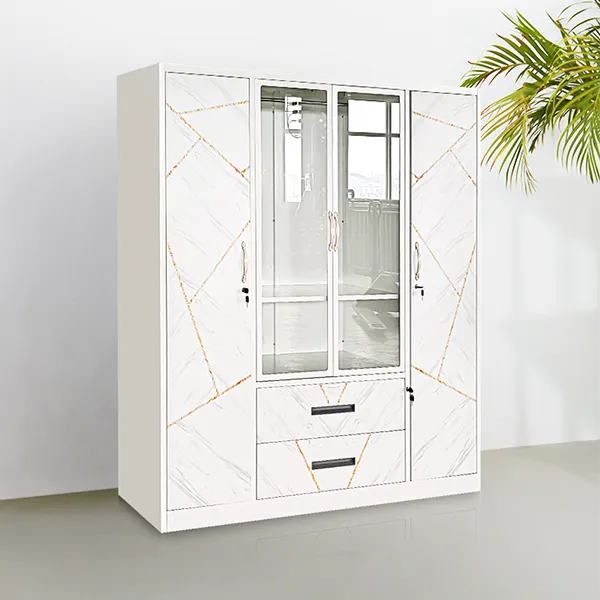
A metal wardrobe is a durable and stylish storage solution, but improper cleaning can quickly lead to unsightly rust or permanent scratches. Whether you own a sleek LAKSHYO wardrobe or another brand, understanding the right cleaning methods is essential to preserve its appearance and longevity. This guide provides professional, step-by-step instructions to clean your metal wardrobe safely, ensuring it remains rust-free and scratch-free for years to come.
Before you begin, remove all clothing and accessories from the wardrobe. This allows you to access all surfaces without obstruction and prevents any cleaning agents from accidentally staining fabrics. Lay a soft cloth or towel on the floor to protect the bottom edges from contact with hard surfaces.
Using the wrong materials is a common cause of scratches and chemical damage. For a metal wardrobe, stick to:
Avoid steel wool, abrasive sponges, bleach, ammonia, or harsh solvents, as these will strip protective coatings and scratch the metal surface.
Follow this method to clean your metal wardrobe effectively without causing rust or scratches. The key is gentle action and immediate drying.
Use a dry microfiber cloth to wipe down all surfaces from top to bottom. This removes loose dust and debris that could act as abrasives during wet cleaning. Pay attention to corners, hinges, and handles.
Mix a few drops of mild dish soap with warm water. Dampen a microfiber cloth (not soaking wet) and wring out excess liquid. Wipe the wardrobe in straight, overlapping strokes, following the metal grain if visible. Do not scrub aggressively; let the soap do the work.
For stubborn fingerprints or oil marks, use a cloth barely moistened with diluted white vinegar (1 part vinegar to 3 parts water). Test on an inconspicuous area first. Rinse with a clean damp cloth to remove any residue.
Moisture is the primary cause of rust. After wet cleaning, immediately dry each section with a separate dry microfiber cloth. Ensure all crevices, edges, and hardware are completely dry. Do not air-dry.
Proper cleaning is only half the battle. Long-term care ensures your LAKSHYO wardrobe stays pristine.
For extra rust protection, especially in humid climates, consider applying a thin layer of automotive wax or a specialized metal protectant. Use a soft cloth to buff gently in circular motions. This adds a hydrophobic barrier that repels moisture and reduces friction that can cause scratches.
Metal wardrobes often sit directly on flooring. Place felt pads or rubber mats under the feet to prevent metal-to-floor friction and moisture transfer from mopping. When moving the wardrobe, lift it instead of dragging to avoid scratching both the wardrobe and floor.
Dust your metal wardrobe weekly with a microfiber cloth. Perform a full deep clean (as described above) every 2–3 months. Immediately wipe up any spills, condensation, or pet moisture. If you notice a small scratch, touch it up with matching paint or clear nail polish to seal the metal and prevent rust from developing.
Even well-intentioned cleaning can go wrong. Here are critical don’ts:
Baby wipes often contain oils and chemicals that can leave a film on the metal surface, attracting dust and potentially dulling the finish. It's better to use a damp microfiber cloth with mild soap.
For minor rust spots, use a paste of baking soda and water applied gently with a soft cloth. Rub in the direction of the grain, then rinse and dry thoroughly. For deeper rust, consider using a commercial rust remover specifically designed for painted metal surfaces, and follow with a touch-up paint.
Yes, but use the softest brush attachment and keep the suction low to avoid scratching. Alternatively, use the dusting brush only on the exterior. For interior shelves, a microfiber cloth is safer.
Cleaning a metal wardrobe without causing rust or scratches is entirely achievable with the right technique and tools. By dusting gently, using mild cleaners, drying immediately, and avoiding abrasive materials, you can maintain the beauty and functionality of your wardrobe for a lifetime. Brands like LAKSHYO invest in high-quality metal finishes that reward proper care. Follow this guide regularly, and your metal wardrobe will remain a durable, elegant centerpiece in your home.
There is currently no data available
There is currently no data available