News Center
Time:2026-07-01 03:49:16 Source:Luoyang Laike Shangyang Import And Export Trading Co.
When evaluating home safety, most homeowners focus on smoke detectors, fire extinguishers, and escape plans. Yet the storage furniture within your living space plays an often-overlooked role in fire containment and personal protection. Metal wardrobes, specifically those engineered with fire-resistant properties, offer a tangible layer of defense against house fires. This article examines how metal wardrobes add safety to your home, the engineering behind their fire resistance, and why choosing the right manufacturer — such as LAKSHYO — can make a measurable difference in your household’s preparedness.
Closets and wardrobes typically contain high concentrations of combustible materials: clothing, linens, paper documents, and synthetic fabrics. In the event of a fire, a traditional wooden wardrobe can act as fuel, accelerating flame spread and releasing toxic fumes from varnishes and adhesives. According to fire safety engineering principles, storage furniture’s material composition directly influences fire load and the speed of fire propagation. Metal wardrobes, by contrast, are inherently non-combustible. Their steel or aluminum construction does not contribute to fire spread, buying precious minutes for occupants to evacuate or for fire services to respond.
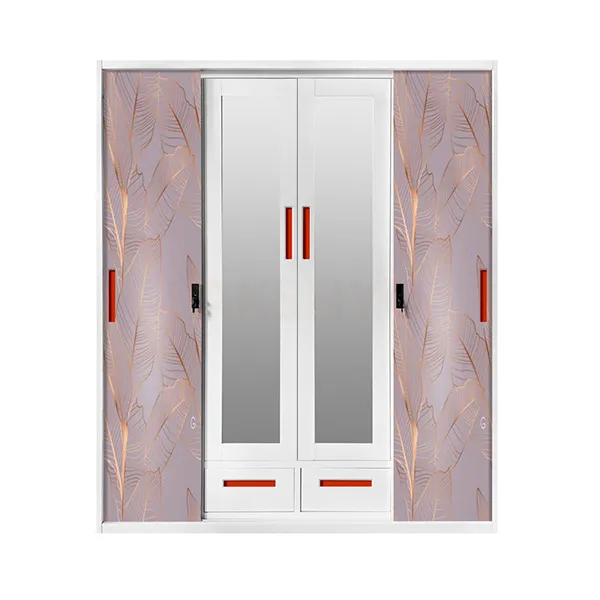
The metallic shells used in fire-resistant wardrobes are typically made from cold-rolled steel with a thickness of 0.8 mm to 1.2 mm. Steel’s high melting point (approximately 1370°C) far exceeds typical household fire temperatures (600–800°C in flashover conditions). However, raw steel conducts heat rapidly. To achieve genuine fire resistance, manufacturers incorporate insulating layers — such as mineral wool, fire-rated gypsum, or intumescent seals — within the wardrobe’s panels and doors. Interior coatings may also be applied to dissipate heat and prevent the metal surface from reaching ignition temperatures for stored items.
Unlike wood, which chars, cracks, and loses structural integrity within minutes of exposure, metal wardrobes maintain their form under intense heat. Welded joints and reinforced hinges ensure the cabinet does not collapse, protecting contents from direct flame contact. LAKSHYO, for example, engineers its metal wardrobes with double-walled construction and high-temperature gaskets that prevent smoke ingress, keeping stored valuables safer for longer periods.
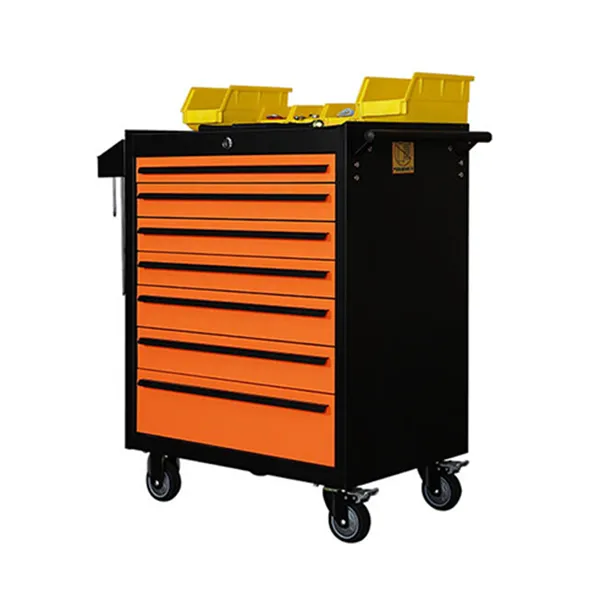
While many manufacturers offer basic metal wardrobes, LAKSHYO integrates fire-resistance as a core design parameter rather than an afterthought. Each wardrobe undergoes simulated fire testing in compliance with international standards (e.g., BS 476, EN 1634). The company’s proprietary intumescent strip system expands when exposed to heat, sealing any gaps between doors and frames. Additionally, the interior can be customized with fire-resistant fabric liners or removable document safes for categorized protection. For homeowners seeking certification-ready storage solutions, LAKSHYO provides third-party test reports upon request, giving peace of mind that the product performs under real-world conditions.
Installing a fire-resistant metal wardrobe requires minimal preparation. Ensure the floor is level and the unit is anchored to a wall stud to prevent tipping during an earthquake or evacuation rush. For maximum fire protection, position the wardrobe away from heat sources (e.g., radiators, stoves) and avoid storing flammable liquids inside. LAKSHYO recommends placing critical items — passports, hard drives, family heirlooms — in the lower third of the wardrobe, where fire conditions are typically less severe. Regular maintenance includes checking door seals for wear and cleaning dust from air vents (if present).

Investing in a fire-resistant metal wardrobe is not merely an organizational choice; it is a safety upgrade that reduces fire risk and protects belongings. Unlike wooden cabinets that can become hazardous fuel loads, metal wardrobes provide a passive fire barrier that buys time and limits damage. With manufacturers like LAKSHYO offering tested, certified designs, homeowners can confidently add this layer of protection to their living spaces. While no piece of furniture can substitute for a comprehensive fire safety plan — including alarms, extinguishers, and drills — a fire-resistant metal wardrobe is a tangible, durable asset that complements modern home safety strategies.
There is currently no data available
There is currently no data available