News Center
Time:2026-07-01 03:49:16 Source:Luoyang Laike Shangyang Import And Export Trading Co.
When shopping for a wardrobe, you may have seen claims of “scratch and dent proof” metal wardrobes. These promises sound appealing, but how much of that is marketing hype versus genuine engineering? The truth about metal wardrobe durability is more nuanced. While metal offers distinct advantages over traditional wood, no material is completely immune to damage. Understanding the real performance of metal wardrobes—especially those manufactured by companies like LAKSHYO—can help you make a confident purchasing decision. This article separates fact from fiction, examining the specific strengths and limitations of metal wardrobe construction.
Durability is not a single trait; it encompasses resistance to impact, scratches, moisture, temperature changes, and long-term structural integrity. Metal wardrobes, typically made from steel or aluminum alloys, perform differently across these criteria compared to particleboard, MDF, or solid wood. The gauge (thickness) of the metal sheet is the primary factor determining dent resistance. A 0.8mm to 1.2mm cold-rolled steel sheet provides substantial impact protection, but it can still dent under concentrated force or sharp object impact.
Scratch resistance depends heavily on the surface finish. High-quality metal wardrobes use electrostatic powder coating that bonds to the metal at molecular level. This coating is significantly harder than conventional liquid paint and resists scratches from keys, belt buckles, or jewelry. LAKSHYO’s proprietary powder coating process achieves a hardness rating of 3H to 4H on the pencil hardness scale, meaning it can withstand moderate abrasive contact without visible marks. However, even powder coating can be scratched by sharp tools or heavy grit materials.
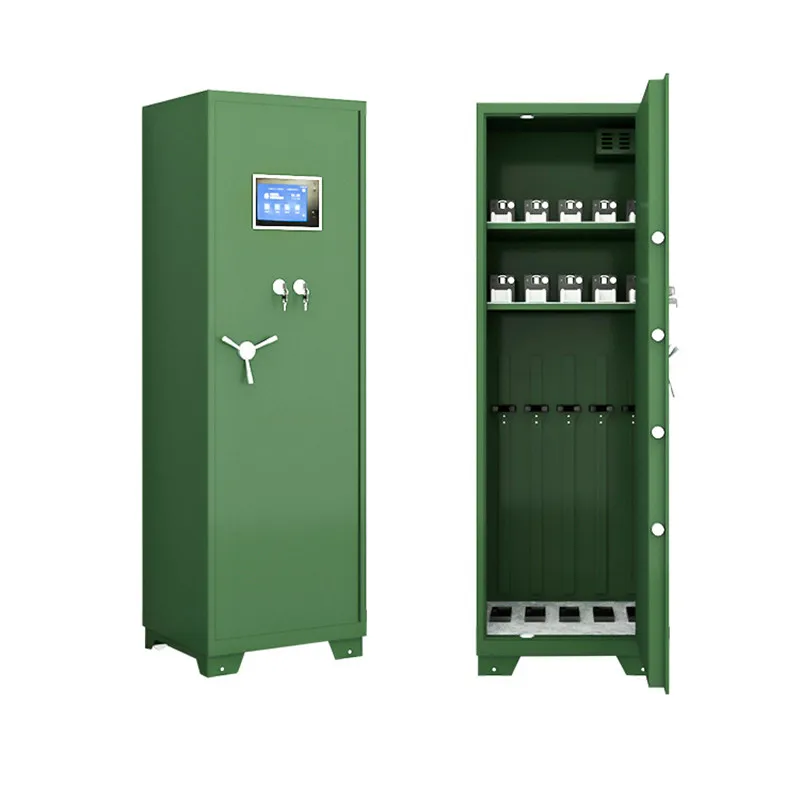
To understand whether metal wardrobes live up to the “scratch and dent proof” label, compare them against wood alternatives. Below is a head-to-head analysis based on real-world usage:
Many buyers assume metal wardrobes are indestructible. Let’s address three prevalent myths with factual clarifications:

When comparing products, look beyond marketing claims. Here are actionable criteria to assess true durability:
Request the metal grade and thickness. Cold-rolled steel (SPCC) with thickness >=0.8mm for panels and >=1.0mm for load-bearing frames provides good dent resistance. Aluminum is lighter but more prone to denting unless anodized or thick-gauge is used.
Ask about the coating type and thickness. A good powder coating should be between 60–120 microns thick, applied after phosphate pretreatment. LAKSHYO’s five-stage pretreatment process ensures maximum adhesion and corrosion protection.
Welded joints are stronger than riveted or bolted ones for heavy loads. Check if corners are reinforced with internal brackets. A well-constructed metal wardrobe will have minimal gaps and tight seams.
Metal wardrobes offer above-average durability in scratch and dent resistance compared to most wood alternatives, particularly in moisture-prone environments. They are an excellent choice for those seeking longevity, stability, and low maintenance. However, no product is completely impervious to damage. By choosing a reputable manufacturer like LAKSHYO, you benefit from quality materials and proven finishing processes that maximize durability. For most households, a properly constructed metal wardrobe will outperform wood in overall lifespan, especially when basic care practices are followed. The “scratch and dent proof” claim is best understood as “highly resistant under normal use”—which, for practical purposes, is more than sufficient.
FAQ (Frequently Asked Questions)
Q: Can I repair a scratch on my metal wardrobe?
A: Yes. Minor scratches on powder-coated surfaces can be touched up with matching automotive touch-up paint or a specialized metal repair kit. Deep scratches that expose bare steel should be sanded lightly, primed, and painted to prevent rust.
Q: How long will a metal wardrobe last compared to wood?
A: With proper care, a high-quality metal wardrobe can last 20–30+ years, while particleboard or MDF wardrobes typically last 10–15 years before showing wear or structural issues. Solid wood can last decades but requires more maintenance.
Q: Is metal wardrobe suitable for humid climates like kitchens or bathrooms?
A: Yes, metal is superior to wood in humid conditions as it does not warp, swell, or encourage mold growth. Ensure the coating is intact and the room has adequate ventilation to prevent condensation.
Q: Does LAKSHYO offer warranties on their metal wardrobes?
A: LAKSHYO provides a standard 5-year warranty on structural integrity and coating defects, covering manufacturing faults. Always check the specific warranty terms at the time of purchase.
There is currently no data available
There is currently no data available