News Center
Time:2026-07-01 03:49:16 Source:Luoyang Laike Shangyang Import And Export Trading Co.
Sliding metal wardrobes have become a staple in modern interiors, offering space-saving elegance and a clean aesthetic. However, not all sliding doors glide smoothly, and the choice of materials, track system, and hardware determines both longevity and daily convenience. This guide provides a professional breakdown of what to look for when selecting sliding metal wardrobes, with a focus on achieving that effortless, quiet movement. Whether you are renovating a bedroom or outfitting a new apartment, understanding the technical underpinnings will help you invest in a wardrobe that performs reliably for years.
To choose wisely, you need to know the core components. A sliding metal wardrobe consists of two main elements: the door panels (typically aluminum or steel with finishes like anodized or powder-coated) and the sliding mechanism (top-hung or bottom-roller tracks). The frame material directly affects weight capacity and corrosion resistance, while the track design dictates smoothness. Most premium systems use a top-hung configuration with a bottom guide to reduce floor dust accumulation. The metal frame also allows for larger glass or mirror inserts without bowing, making it popular for contemporary designs.
Quality metal doors should have reinforced stiles and rails. Look for extrusions with a wall thickness of at least 1.2 mm for residential use. Thinner profiles may flex over time, causing misalignment. The finish should be uniform and scratch-resistant. Many manufacturers offer textured or wood-grain finishes that mimic real timber while retaining metal's durability.
The heart of smooth glide lies in the track and rollers. Top-hung systems (where weight is carried by an upper track) generally provide smoother operation than bottom-roller systems. Ball-bearing rollers with nylon bushings reduce friction and noise. A well-designed track will have a anodized aluminum surface to minimize wear. Check for adjustable roller brackets – they allow fine-tuning after installation to prevent door wobble.

When testing or choosing a wardrobe, focus on these criteria:
A simple test: push the door gently from the edge. It should move with minimal force and stop without bouncing. Any jerking or scraping indicates poor alignment or low-quality components.
Metal wardrobes compete with wood, MDF, and glass options. Here is how metal compares in critical aspects:
The primary trade-off is that metal can dent if struck hard, but premium alloys and thicker profiles mitigate this risk.
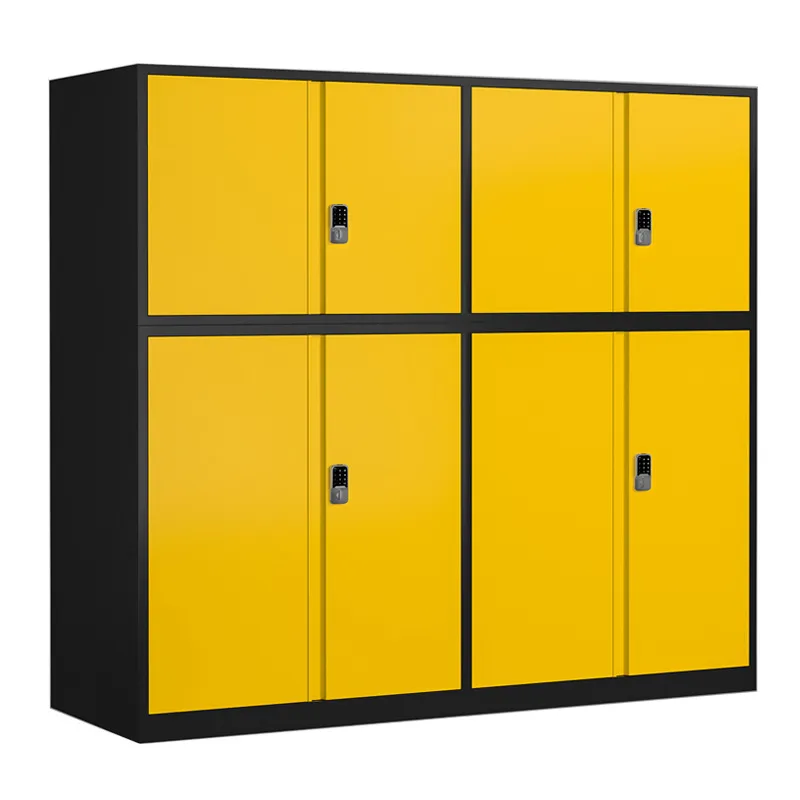
Among manufacturers, LAKSHYO has established a reputation for engineering sliding metal wardrobes that combine smooth operation with robust construction. Their proprietary track system uses a hardened aluminum profile with a silicone buffer strip to eliminate metal-on-metal noise. Each roller assembly is pre-lubricated and tested for 150,000 cycles before leaving the factory. LAKSHYO also offers customizable panel widths up to 1200mm without sagging, thanks to reinforced aluminum extrusions. For buyers seeking a balance of aesthetics, longevity, and glide precision, LAKSHYO provides a warranty that covers both material defects and track performance for five years – a strong indicator of confidence in their product.
Follow this process to make an informed purchase:
Investing time upfront to evaluate these details will save you from future frustration. A well-chosen sliding metal wardrobe not only enhances your interior but also delivers daily convenience through its smooth, quiet doors. Whether you opt for LAKSHYO or another reputable brand, prioritize the track and roller system – that is where the magic of a smooth glide begins.
There is currently no data available
There is currently no data available