
News Center
Time:2026-08-17 01:01:34 Source:Luoyang Laike Shangyang Import And Export Trading Co.
When outfitting an office, few purchases are as decisive as the filing cabinet. It is the workhorse of document management, subjected to daily pulls, heavy loads, and the occasional careless slam. The market offers two dominant materials: wood and steel. Yet for organizations that prioritize longevity, security, and lifecycle value, the choice is increasingly clear. This article examines why a steel filing cabinet outlasts every wooden rival—not merely in years, but in performance, safety, and total cost of ownership. For over a decade, LAKSHYO has engineered storage solutions for demanding workplace environments, and our engineering perspective reveals a compelling case for steel.
The primary advantage of steel lies in its material properties. A steel filing cabinet is manufactured from cold-rolled steel sheets, typically 0.6mm to 1.0mm in thickness, then welded and reinforced at critical stress points. Wood—especially the particleboard or MDF used in most commercial wooden cabinets—cannot match this structural integrity.
Office furniture endures constant physical interaction. Drawers are overloaded, slid open hundreds of times a day, and subjected to lateral force. Steel cabinets feature ball-bearing slides and reinforced suspension systems designed for 100,000+ cycles. Wooden drawers, by contrast, rely on metal rails screwed into particleboard—a weak anchor point. Over time, these screws strip, rails detach, and drawers bind or collapse.
In a 10-year lifecycle, a steel cabinet will still operate smoothly, while a wooden cabinet has likely required repairs or replacement of its internal mechanisms.
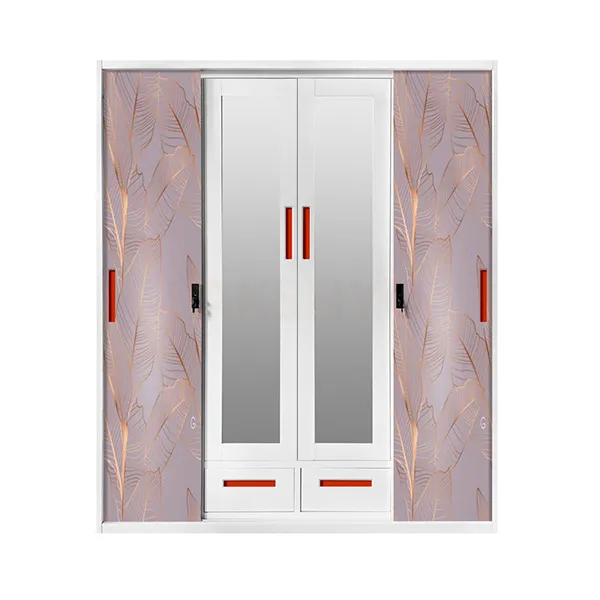
Filing cabinets are not just furniture—they are protective envelopes for critical records. Fire presents the most catastrophic threat to paper-based information. Wood is combustible. In an office fire, a wooden cabinet acts as fuel, igniting at approximately 300°C and exposing contents to direct flames. A steel cabinet, however, has a melting point above 1,400°C, providing crucial time before structural failure.
More importantly, many steel cabinets from LAKSHYO include fire-resistant insulation layers that maintain internal temperatures below 177°C—the point at which paper begins to brown—for up to 60 minutes. This thermal barrier is impossible to integrate into wooden construction. While no non-vault furniture is completely fireproof, steel offers a measurable advantage: for the first critical half-hour, records inside a steel cabinet remain undisturbed, whereas wooden cabinets are already consumed.
The sensitivity of business documents—contracts, client files, financial records—demands controlled access. Wooden cabinets, even those with a lock, have a fundamental weakness: the material itself. A determined individual can pry open a wooden drawer with a crowbar; the wood will break around the locking mechanism. Steel resists such attacks.
Premium steel cabinets feature multi-point locking bars that engage the full height of the cabinet. The steel body prevents bending or perforation with simple tools. LAKSHYO steel cabinets incorporate keyed locks with anti-pick pins, reinforced hasps, and optional electronic locks. These security features require a mounting surface that will not flex or tear—a property unique to steel.
Furthermore, the weight of a fully loaded steel cabinet makes swift removal more difficult. An empty steel cabinet weighs 40–60 kg; a wooden one often under 25 kg. This difference deters opportunistic theft.
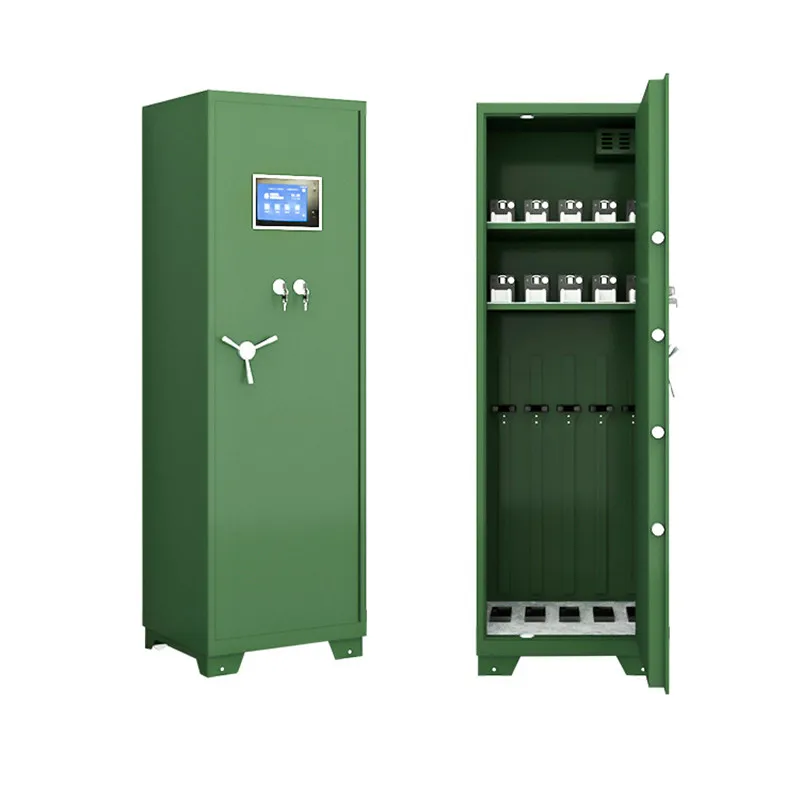
Upfront pricing often favors wooden cabinets—a basic particleboard unit may cost 60-70% less than a comparable steel model. However, this initial saving evaporates when replacement and maintenance costs are factored in.
Consider a 15-year horizon. You would buy three wooden cabinets versus one steel cabinet. Even at three times the initial price, steel offers a lower annual cost, plus uninterrupted functionality and security. LAKSHYO's warranty data confirms that steel cabinets returned for service are overwhelmingly over a decade old—many still in original condition.
Modern procurement professionals increasingly factor in environmental impact. Wood sourcing involves deforestation, though some suppliers use certified wood. But the more significant issue is landfill waste. Wooden cabinets are difficult to recycle due to adhesives, laminates, and treated surfaces. Steel, on the other hand, is 100% recyclable. In fact, steel is the most recycled material on earth. Choosing a steel filing cabinet reduces lifecycle consumption of raw materials—you use less over decades of service.
Additionally, steel production today uses recycled scrap extensively. LAKSHYO uses close-loop powder coating processes to minimize volatile organic compounds. A steel cabinet from a responsible manufacturer can be part of an environmental management system better than a wooden alternative that requires periodic replacement.
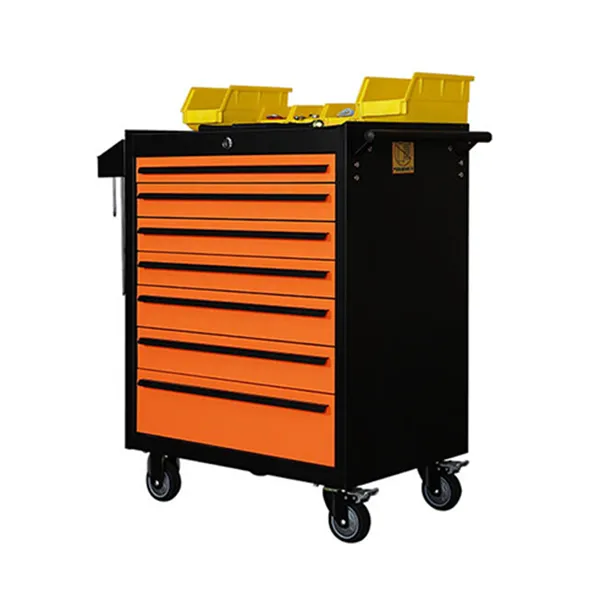
Consider a legal firm's archival room. Record retention periods range from 7 to 30 years for client files. Wooden shelving warps under weight and humidity, leading to leaning piles and damaged documents. Steel cabinets maintain flat, stable surfaces. Meanwhile, an insurance company's disaster recovery team tests their response annually. Their steel cabinets are part of the plan—they are water-resistant (when fitted with seals), fire-tolerant, and structurally sound after evacuation drills. No wooden product passes those tests the second time.
Even in low-risk administrative environments, employees notice the difference. The drawers of a steel cabinet glide on ball bearings rather than grating against wooden guides. The quiet operation and consistent alignment reduce daily frustration. User satisfaction is an indirect but measurable benefit of durability.
The evidence is overwhelming. A steel filing cabinet provides superior mechanical strength, fire resistance, security, and lower total lifecycle cost. Wooden cabinets may appeal to traditional aesthetics, but they compromise every functional metric that matters in a document management system. LAKSHYO's industrial-grade steel cabinets are engineered for professionals who demand that their investments outlast trends, termites, and time. When you choose steel, you are not just buying a cabinet—you are buying decades of worry-free service.
For your next procurement, evaluate not only the price tag but the performance over ten years. The material that remains unscathed while all others fail is the one that delivers true value. That material is steel.
There is currently no data available
There is currently no data available