
News Center
Time:2026-08-12 01:01:40 Source:Luoyang Laike Shangyang Import And Export Trading Co.
Maximizing every inch of floor space is a constant challenge in modern homes and apartments, especially when architectural quirks like sloped ceilings, protruding columns, or narrow alcoves create awkward corners that standard furniture cannot fill. These unbalanced gaps often become dead zones or attract only a single thin shelf. However, a specifically designed solution exists: the tall narrow metal wardrobe. Unlike bulky wood cabinetry, these slender, vertical units are engineered to slide into tight or irregular spaces, offering full-length hanging storage without dominating the room. In this guide, we examine why metal construction outperforms traditional materials for such applications, how to select the right dimensions, and why LAKSHYO has become a trusted name in compact wardrobe solutions.
Standard wardrobes assume a perfect rectangular footprint. Yet real homes present obstacles: a chimney breast, a stairwell landing, or a wall indentation that leaves a 40–60 cm gap. Place a normal 90 cm deep cabinet there, and it will either jam against the column or waste the remaining space. A tall narrow metal wardrobe is purpose-built for such geometry. Its width typically ranges from 40 cm to 70 cm, with heights up to 240 cm, matching the dimension of the awkward corner precisely. The shallow depth (often only 45–50 cm) allows it to sit flush against the wall while still accommodating hangers sideways. This approach turns a useless void into a valuable storage asset.
Metal wardrobes have a unique advantage over wood: their frame can be manufactured with thin profiles yet high load-bearing capacity. Steel or aluminum uprights occupy minimal linear space, leaving more room inside for clothes. The posts can also be drilled with pre-set adjustment holes, allowing shelves and hanging rods to be repositioned in increments of 2–3 cm. This adjustability is critical when an awkward corner has an offset beam or a sloping ceiling—you can lower a shelf by a few centimeters to clear the obstacle. Wooden cabinets, in contrast, require custom cuts that increase cost and lead time.
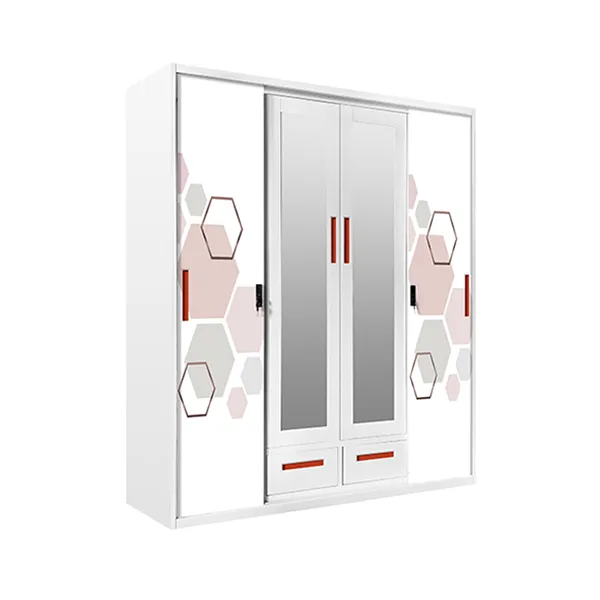
To help you make an informed choice, we have compiled the key differences between tall narrow metal wardrobes and their wooden counterparts in the context of awkward corners.
From this comparison, it is clear that for awkward corners—where moisture, size, and weight constraints are common—a metal wardrobe offers superior practicality.
Not all metal wardrobes are created equal. When shopping for one to fill that awkward corner, inspect these features:
Floors in old buildings or near walls often slope. A wardrobe with screw-in adjustable feet ensures the entire structure stands plumb, preventing doors from sticking. LAKSHYO models come with heavy-duty leveling feet that can compensate for unevenness up to 15 mm.
In a tight corner, a conventional hinged door may hit the adjacent wall. Look for sliding doors (bypass or pocket) or bi-fold doors that require zero clearance. If you prefer hinged, choose 180-degree hinges that allow the door to open flat against the side of the wardrobe, minimizing intrusion.
A tall narrow space lends itself to vertical stacking. The best designs include split hanging sections: one for long coats (bottom) and one for shirts (top). Adding pull-out wire baskets optimizes folded items. Check that the wardrobe comes with pre-punched holes for adding or moving shelves later.
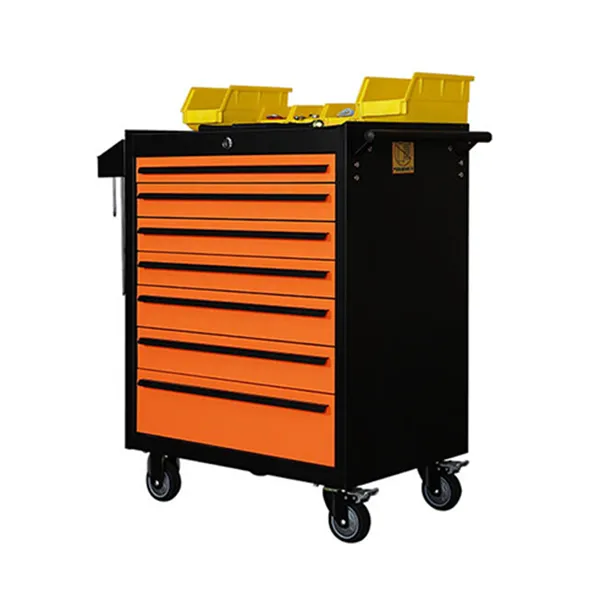
Consider a typical hallway situation: a 55 cm wide by 120 cm deep recess beside a staircase. Standard furniture leaves a 30 cm unusable gap. By installing a LAKSHYO tall narrow metal wardrobe with 50 cm depth, the entire recess is utilized. The metal frame fits snugly against the side wall, and the top shelf reaches the ceiling, eliminating dust accumulation. The customer reported gaining over 100% more storage capacity compared to the previous small shoe cabinet that barely filled the corner. LAKSHYO offers custom width options in 5 cm increments, making it possible to match any quirky dimension.
Yes, many metal wardrobes allow you to install the top panel at an angle using brackets, or simply leave the top open if the corner has a low soffit. LAKSHYO provides ceiling profile covers that hide the gap neatly.
Premium metal wardrobes use electrostatically applied powder coating that resists corrosion. As long as the coating is intact and the area is not directly exposed to constant water spray, rust is not an issue. For basements or coastal environments, opt for a stainless steel variant.
Measure the width at three heights: floor, mid, and ceiling. Also, note any skirting boards, radiators, or electrical sockets inside the corner. Provide these dimensions to LAKSHYO’s design team, and they will recommend the exact wardrobe that fits, even if the wall is not perfectly square.
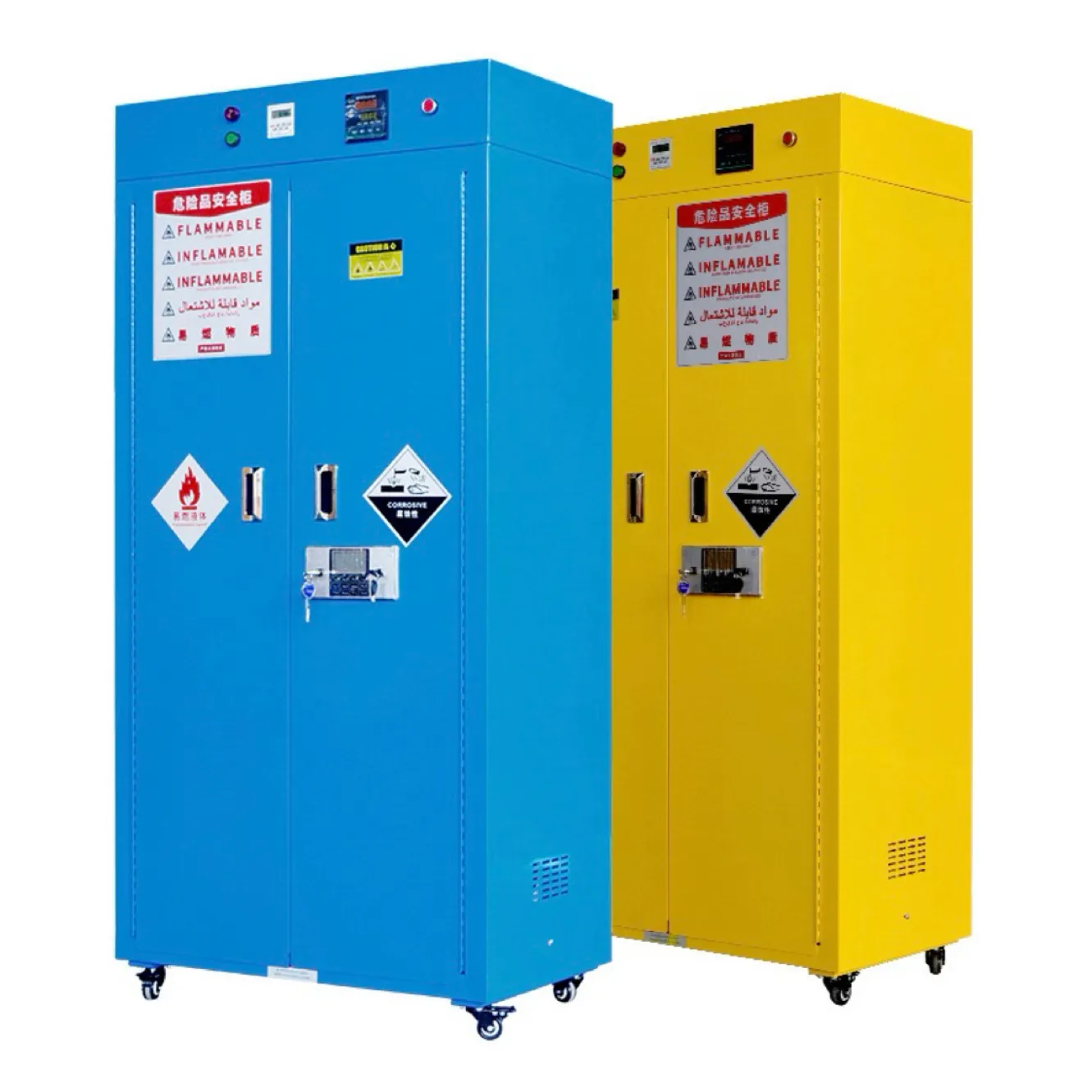
Awkward corners do not have to remain empty. By choosing a tall narrow metal wardrobe, you gain a durable, custom-fitting storage solution that leverages vertical height where horizontal space is limited. The advantages of metal—light weight, moisture resistance, adjustability, and cost-effectiveness—make it the ideal material for these challenging footprints. Whether you are dealing with a hallway nook, a bedroom alcove, or an attic dormer, brands like LAKSHYO offer the precision engineering to turn that ignored gap into a functional, attractive part of your home. Measure your corner today and discover how a metal wardrobe can create order out of awkwardness.
There is currently no data available
There is currently no data available