
Steel office furniture is an investment in durability, order, and professional presentation. Desks, filing cabinets, lockers, shelving, and storage units made from steel can serve for many years, but they are not maintenance-free. Dust, moisture, harsh chemicals, heavy loads, and frequent movement all leave marks if they are ignored. A practical maintenance plan protects the finish, preserves smooth operation, and delays costly replacement. This guide explains how to maintain steel office furniture long-term through simple routines, correct cleaning methods, preventive inspections, and smart repair decisions. It is written for facility managers, office administrators, and procurement teams who want furniture that remains safe, functional, and presentable throughout its service life.
Why Steel Office Furniture Needs a Long-Term Maintenance Plan
Steel office furniture is chosen for strength, security, and clean lines. A steel filing cabinet can protect documents, a steel desk can support heavy equipment, and steel lockers can withstand daily use in busy workplaces. However, the material itself is only part of the equation. Powder coatings, locks, hinges, drawer slides, casters, and leveling glides all affect how the furniture performs over time. Maintenance is not about polishing appearance alone. It is about preserving safety, function, and resale or reuse value.
The Difference Between Steel Strength and Surface Protection
The steel body of a cabinet or desk is usually robust. The outer finish is thinner and more vulnerable. A powder-coated surface resists scratches and moisture better than untreated metal, but it can still chip when objects are dragged across it or when furniture is moved without protection. Once the coating is broken, exposed steel can begin to corrode, especially in humid conditions. Protecting the finish is therefore the first line of long-term maintenance.
Common Causes of Premature Wear
- Frequent movement without lifting or using furniture dollies
- Excess moisture from spills, humid air, or wet cleaning cloths
- Harsh cleaning chemicals that dull or degrade the coating
- Overloaded drawers, shelves, and cabinets that strain slides and welds
- Dust and grit that collect in tracks and act like sandpaper
- Loose screws, hinges, and glides that create wobble and uneven stress
Understanding these causes helps you build a maintenance schedule that prevents small issues from becoming structural problems.
Daily and Weekly Maintenance Habits
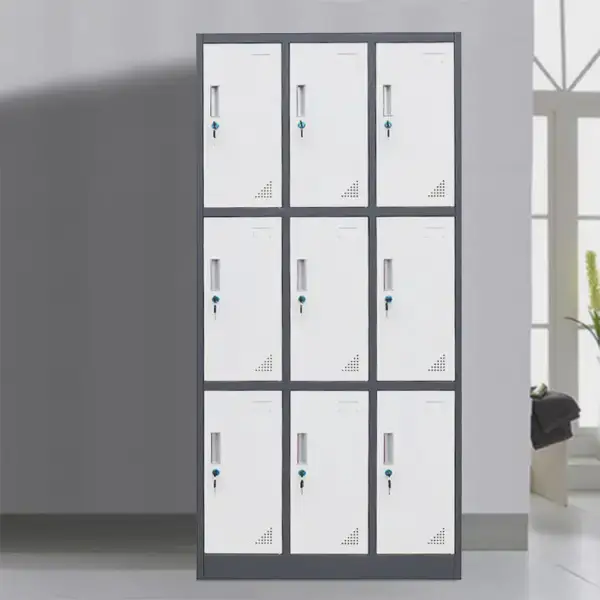
Long-term care begins with short, repeatable habits. Staff should know who is responsible for basic cleaning and who reports damage. A simple routine keeps steel furniture in good condition without adding significant labor.
Routine Cleaning Without Damaging the Finish
- Dust surfaces with a soft, dry microfiber cloth or a clean duster.
- Wipe high-touch areas such as handles, drawer fronts, and lockers with a damp cloth and mild soap solution.
- Dry immediately with a separate soft cloth to prevent water spots and moisture sitting on the coating.
- Clean drawer tracks and casters with a dry brush or vacuum attachment to remove grit.
- Inspect for new scratches, chips, or loose hardware while cleaning.
For weekly maintenance, pay attention to shared equipment such as filing cabinets and mobile pedestals. These items receive more contact and movement than fixed desks, so they need more frequent checks.
Load and Usage Discipline
Steel furniture is strong, but it is not indestructible. Drawers should not be overloaded, and shelves should be loaded within their design limits. Heavy items should be placed evenly rather than concentrated in one corner. When a drawer is opened, use the handle rather than pulling the frame. When moving a cabinet, empty it first and lift it with proper equipment. These habits reduce stress on slides, hinges, and welds.
Caster and Drawer Checks
Mobile steel furniture depends on casters and drawer slides. Check casters for hair, dust, and tangled fibers. Remove debris and confirm that wheels rotate freely. For drawer slides, open and close each drawer slowly. If it sticks, do not force it. A small adjustment or cleaning may solve the problem before the slide is damaged.
Deep Cleaning and Rust Prevention
Even with regular care, steel office furniture needs periodic deep cleaning. The goal is to remove buildup without harming the protective coating. Rust prevention is especially important in basements, storage rooms, kitchens, and buildings with high humidity.
Safe Cleaning Agents for Powder-Coated Steel
Use the mildest product that gets the job done. Warm water with a few drops of mild dish soap is usually enough. For sticky residue, apply the solution with a soft cloth and let it sit briefly before wiping. Avoid abrasive pads, steel wool, bleach-heavy cleaners, and solvents that can dull the finish. If a disinfectant is required, choose one approved for painted metal surfaces and follow the label instructions. Always test a small hidden area first.
Treating Scratches and Chips Early
Small scratches and chips should not be ignored. Clean the area, dry it thoroughly, and apply a matching touch-up paint or a clear protective coating recommended for powder-coated metal. This simple step seals exposed steel and reduces the chance of rust spreading. For larger damaged areas, contact the furniture supplier or a professional repair service.
Moisture Control in Storage Areas
- Keep steel furniture away from direct contact with damp floors and walls.
- Use dehumidifiers or improve ventilation in enclosed storage rooms.
- Wipe up spills immediately, including water from plants and cleaning buckets.
- Do not store wet umbrellas, mops, or cleaning supplies inside steel cabinets.
- Place moisture-absorbing packets in closed cabinets if humidity is a recurring issue.
Rust rarely appears overnight. It usually starts with a small scratch, a damp cloth left on the surface, or prolonged exposure to humid air. Early action is far less expensive than restoring corroded steel.
Structural Inspection and Preventive Maintenance
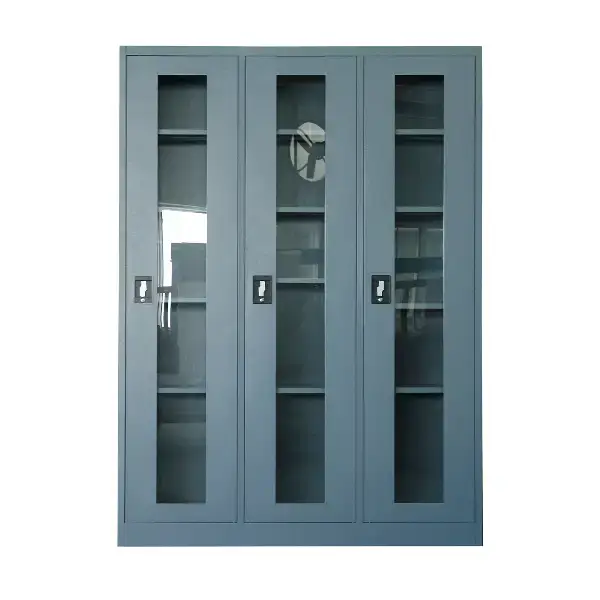
A maintenance plan should include scheduled inspections, not only cleaning. Monthly or quarterly checks can reveal loose hardware, alignment problems, and early corrosion. The right frequency depends on usage, but high-traffic offices and storage rooms should be inspected more often.
Monthly Inspection Checklist
- Check all visible screws, bolts, and rivets for tightness.
- Test locks, keys, and handles for smooth operation.
- Open and close drawers and doors to confirm proper alignment.
- Inspect welds and joints for cracks, separation, or bending.
- Look for rust, bubbling paint, or discoloration near edges and floor contact points.
- Confirm that leveling glides are present and stable.
Lubrication and Adjustment
Locks and drawer slides may need light lubrication. Use a product suitable for metal mechanisms and apply it sparingly. Excess oil attracts dust, which can create new problems. If a drawer is misaligned, adjust the slide or hinge according to the manufacturer instructions. Do not bend metal parts by force. If adjustment is unclear, ask the supplier for guidance.
Load Limits and Weight Distribution
Every steel cabinet, shelf, and desk has a practical load limit. Overloading can warp shelves, damage slides, and weaken joints. Distribute weight evenly and place heavier items on lower shelves or in lower drawers. For mobile furniture, avoid moving it while fully loaded. This reduces strain on casters and the frame.
Environmental Controls and Office Layout
The environment around steel furniture affects its lifespan. Humidity, temperature swings, and air quality all play a role. Good layout and ventilation support maintenance efforts.
Humidity, Temperature, and Ventilation
Steel furniture performs best in stable, dry conditions. High humidity increases the risk of rust, while frequent condensation can damage the coating and lubricants. Keep furniture away from direct heat sources, leaking windows, and pipes. In storage rooms, use ventilation or dehumidification to maintain a dry environment. Avoid placing steel cabinets directly against cold exterior walls where condensation may form.
Protecting Furniture During Moves and Renovations
Renovations generate dust, paint particles, and moisture. Cover steel furniture with breathable sheets rather than plastic that can trap condensation. During office moves, empty cabinets, secure drawers, and use protective blankets or edge guards. Lift furniture instead of dragging it. After the move, inspect all steel items for scratches and loose hardware before returning them to service.
Repair, Replacement, or Professional Service
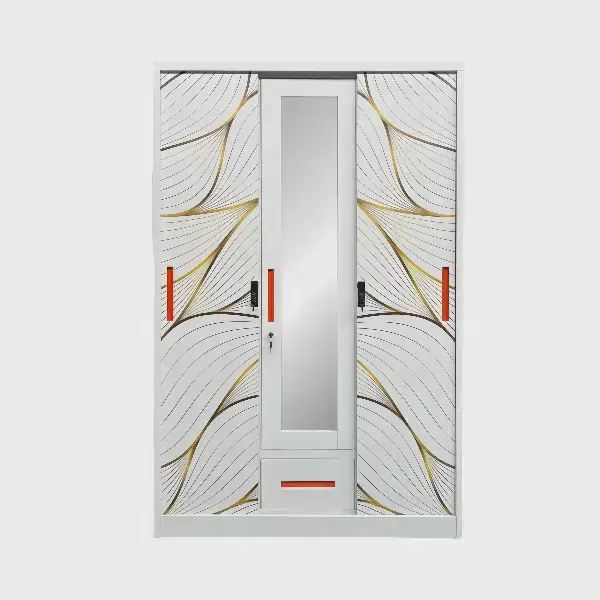
Not every problem requires replacement. Many steel furniture issues can be repaired quickly and economically. The decision should consider safety, function, appearance, and the cost of downtime.
When to Repair
Repair is often the best choice for minor scratches, loose handles, sticking drawers, worn casters, and small dents that do not affect structure. Replacing a caster, glide, lock, or slide is usually faster than buying new furniture. Paint touch-ups and rust treatment can restore appearance and protect the metal.
When to Replace
Replacement may be necessary when the frame is bent, welds are cracked, drawers no longer align, or rust has weakened the steel. Furniture that poses a safety risk or cannot be secured should be removed from service. If repairs become frequent, compare the total cost with the price of a new unit. Modern steel furniture may also offer better security, ergonomics, and space efficiency.
Working with a Supplier Like LAKSHYO
A reliable supplier can provide replacement parts, maintenance advice, and compatible components. LAKSHYO supports long-term furniture performance by helping businesses choose durable steel office furniture and maintain it with the correct accessories and care guidance. When you need casters, locks, slides, or touch-up materials, working with the original supplier reduces the risk of poor fit and premature failure. Keep purchase records and model details so future maintenance is easier.
Frequently Asked Questions About Steel Office Furniture Maintenance
How often should steel office furniture be cleaned?
Dust high-touch surfaces weekly and clean them with a mild soap solution as needed. Deep clean every one to three months, depending on the environment and use. Storage rooms with high humidity may require more frequent inspection.
Can I use disinfectant wipes on steel furniture?
Some disinfectant wipes are safe for powder-coated metal, but many contain chemicals that can dull or damage the finish. Check the manufacturer guidance, test a hidden area, and wipe with a damp cloth afterward to remove residue.
What causes rust on steel office furniture?
Rust usually begins where the protective coating is scratched, chipped, or worn. Moisture, humid air, spills, and contact with damp floors accelerate corrosion. Prompt touch-ups and moisture control are the best prevention.
How do I remove scratches from powder-coated steel?
Clean and dry the scratch, then apply a matching touch-up paint or protective coating. For deep scratches or large damaged areas, consult the furniture supplier or a professional finisher.
Is it worth repairing older steel furniture?
Yes, if the frame is solid and the repair is limited to hardware, slides, casters, or surface finish. Repair is usually less expensive and more sustainable than replacement. Replace the unit if structural damage affects safety or function.
Building a Maintenance Culture That Protects Your Investment
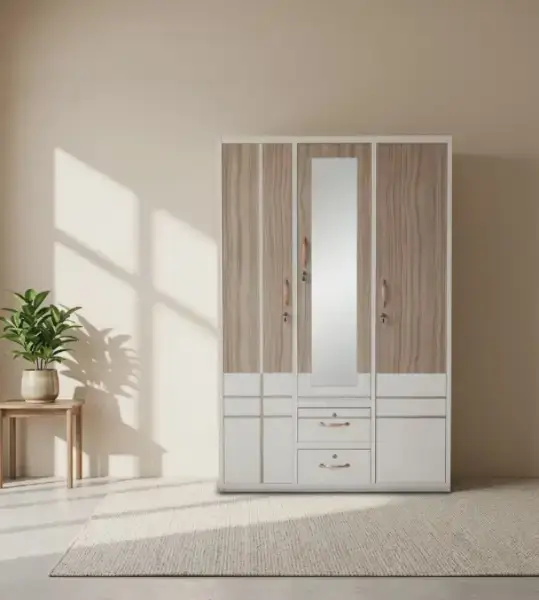
Long-term maintenance of steel office furniture is not a single task. It is a cycle of cleaning, inspection, correction, and protection. Train staff to report damage early. Keep a simple log of inspections and repairs. Store spare casters, glides, and touch-up paint for quick fixes. Choose furniture from a supplier that supports parts and service, such as LAKSHYO, so that your steel desks, cabinets, lockers, and shelving remain reliable for years. With consistent care, steel office furniture can continue to deliver the strength, security, and professional appearance that made it a smart investment in the first place.