
Employee storage is one of those office details that only becomes visible when it fails. Coats pile on chair backs, bags sit under desks, and personal items drift across shared surfaces. Steel lockers for offices solve this problem by giving every person a defined, secure place for belongings. Unlike temporary bins or open shelving, steel lockers provide durability, clean lines, and access control that fits modern workplaces. This guide explains how to specify steel lockers for employee storage, what features matter, and how to match configurations to your office layout. It is written for facilities managers, office administrators, and operations teams who need a practical storage solution that looks professional and works every day.
Why Employee Storage Deserves a Purpose-Built Solution
In many offices, storage is treated as an afterthought. A few cabinets are bought, a coat rack is added, and employees are expected to manage the rest. That approach creates friction. Personal belongings compete with work materials, shared areas become cluttered, and security becomes difficult to enforce. A purpose-built locker system establishes clear boundaries: one assigned space per person, a consistent place for daily items, and a storage asset that can be managed rather than tolerated.
The Cost of Disorganized Personal Storage
When employees lack lockers, clutter migrates. Bags end up on meeting room chairs. Helmets and jackets cover partition tops. Laptops and purses are left in unlocked drawers. The office may still function, but it does so with lower visual order and higher risk. Over time, disorganization affects employee experience, client impressions, and even workplace safety. Steel lockers for offices reduce these problems by containing personal items in a dedicated, lockable unit.
What Steel Offers Compared with Other Materials
Wood, laminate, and plastic lockers can work in light-duty settings, but steel remains the preferred choice for high-traffic offices, staff rooms, and hybrid workplaces. Steel is strong, dimensionally stable, and resistant to daily wear. Quality powder-coated steel is easy to clean and available in colors that align with corporate interiors. Steel also supports flexible configurations, from single full-height lockers to compact multi-tier banks. For offices that need long-term durability and a professional appearance, steel lockers are a practical default.
Essential Features in Steel Lockers for Offices
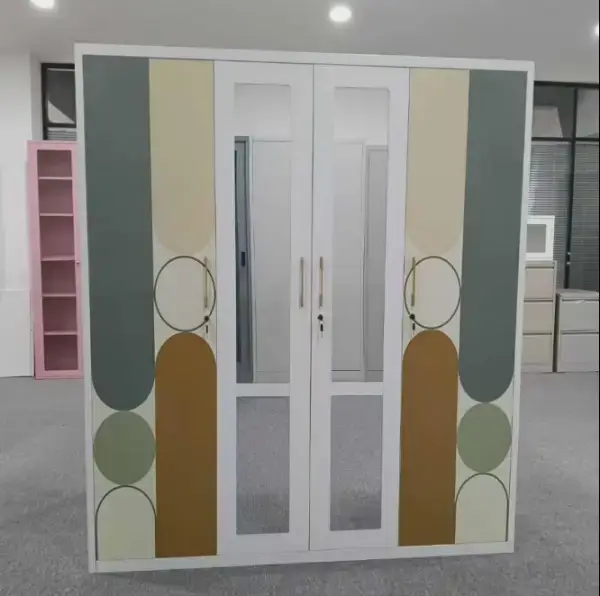
Not all steel lockers are built to the same standard. Two units may look similar online but perform very differently after years of use. Buyers should evaluate construction, finish, locking, and interior fittings before comparing price alone.
Steel Gauge and Construction Quality
Gauge affects rigidity and dent resistance. Thicker steel generally provides better stability, especially in doors, frames, and shelves. Check how the door feels when opened and closed. Look for reinforced hinges, clean welds, and a frame that does not flex. For busy offices, a sturdier build usually reduces maintenance and replacement costs over time.
Finish and Corrosion Protection
Powder coating provides a durable surface that resists scratches, moisture, and common cleaning agents. A proper pre-treatment process helps the coating bond to the steel. Edge coverage matters because chipped edges become entry points for rust. In humid climates or offices with frequent cleaning, finish quality is not a minor detail.
Locking and Access Control
Locking options range from simple key locks to digital keypads, RFID readers, and central locking systems. Key locks are familiar and inexpensive to maintain. Digital and electronic locks support shared use and audit trails. Central locking helps administrators secure multiple lockers at once. The best choice depends on how lockers are assigned, how often users change, and who needs master access.
Ventilation and Interior Configuration
Ventilation matters when lockers store shoes, gym clothes, or damp items. Louvered doors or perforated panels improve airflow. Interior fittings should match actual use: shelves for bags and boxes, hanging rails for coats, hooks for helmets, and foot lockers for smaller valuables. A well-configured locker is more likely to stay organized.
Choosing the Right Locker Configuration for Your Office
Configuration determines how much storage fits into the available floor space. The right choice depends on item size, user frequency, and the number of people who need a locker at the same time.
- Single-tier lockers provide full-height storage for coats, bags, helmets, and larger personal items.
- Double-tier lockers offer two lockers per frame, useful for teams with moderate storage needs.
- Triple-tier and four-tier lockers are compact units for briefcases, purses, shoes, and small devices.
- Combination units mix tier sizes in one run to accommodate different employee groups.
- Mobile lockers are mounted on casters for flexible layouts, hot-desking zones, and temporary projects.
Single-Tier Lockers
Single-tier lockers are the most generous option. They suit employees who bring coats, gym bags, or equipment to work. Because each user gets a full-height compartment, single-tier lockers are common in staff rooms, medical offices, and industrial-adjacent workplaces.
Double-Tier and Triple-Tier Lockers
Multi-tier lockers increase capacity without expanding the footprint. Double-tier units balance space and storage volume. Triple-tier and four-tier units work well for personal bags, shoes, and small electronics. They are often used in business offices, call centers, and shared workspaces where storage needs are lighter but security is still required.
Mobile, Modular, and Custom Configurations
Mobile lockers allow facility teams to reconfigure space as teams grow or move. Modular systems make it easier to add units later. Custom configurations can combine locker sizes, colors, and accessories to match a specific office plan. For larger projects, LAKSHYO can help translate workplace requirements into a coordinated locker specification.
How Many Lockers Does an Office Need?
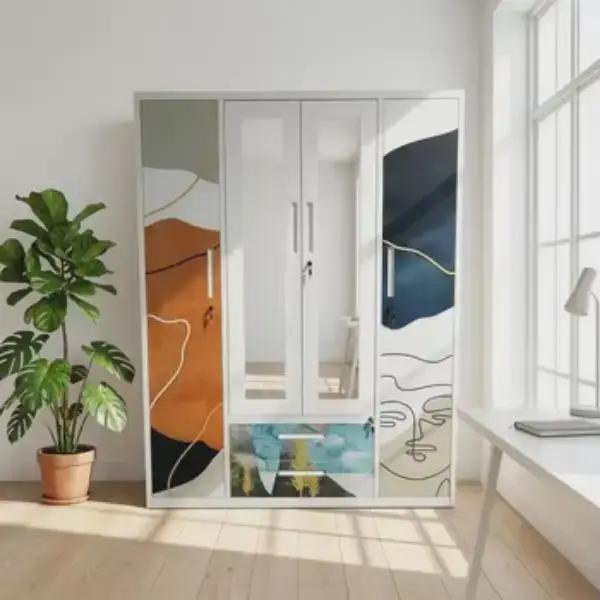
The simple answer is not always one locker per employee. Hybrid schedules, shift patterns, contractors, and visitors change the real demand. A better approach is to estimate peak simultaneous occupancy, then add a practical buffer.
- Peak occupancy rather than total headcount
- Hybrid schedules and desk-sharing ratios
- Storage policy: daily use, shift use, or long-term assignment
- Growth plans and department changes
- Visitor and contractor requirements
If ten people share six desks across a week, ten lockers may be unnecessary. If most employees work on-site daily, fewer lockers will cause conflict. The goal is to provide enough secure storage for the people who need it at the same time, without wasting floor space on empty units.
Planning Installation and Daily Workflow
A locker bank is only useful if it fits the workflow. Placement near entrances, break areas, or team zones can increase use. Poor placement creates congestion or forces employees to carry belongings across the office.
Space and Access Requirements
Measure width, height, and depth before ordering. Account for door swing, aisle clearance, and access routes. If the office must accommodate wheelchairs or mobility aids, confirm that reach ranges and clear floor space are considered. Installation teams also need a path to move locker banks into position.
Labeling and Assignment
Numbering and assignment records prevent confusion. Color coding can separate departments or floors. A simple check-in and check-out process helps when employees leave or change roles. Well-managed lockers stay cleaner and last longer because users know the unit is theirs.
Procurement Checklist for Office Steel Lockers
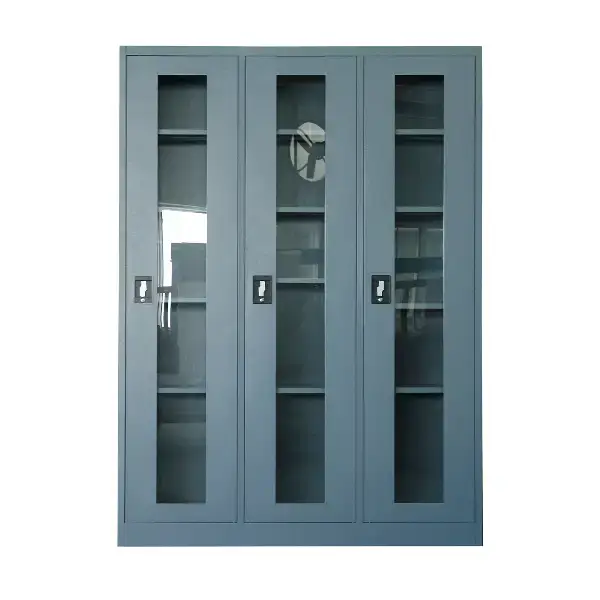
Use the following sequence to move from need assessment to installed lockers.
- Assess needs: count users, peak occupancy, and the types of items stored.
- Measure the space: width, height, depth, door swing, and aisle clearance.
- Define specifications: gauge, finish, locks, ventilation, shelves, and accessories.
- Compare configurations: single-tier, multi-tier, mobile, modular, or custom.
- Review samples and warranties: check door operation, paint quality, and hardware.
- Plan delivery and installation: confirm access routes, floor protection, and assembly.
- Set assignment rules: who gets lockers, how they are cleaned, and how issues are reported.
For offices with multiple floors or mixed teams, involving a supplier early can prevent costly changes. LAKSHYO supports organizations that need durable steel storage and clear specification guidance.
Common Questions About Steel Lockers for Offices
Are steel lockers suitable for open-plan offices?
Yes. Steel lockers add structure without building full walls. Choose colors and finishes that match the office interior, and place banks in zones that do not interrupt sightlines or traffic.
Can steel lockers fit in small spaces?
Yes. Multi-tier and shallow-depth models can fit compact areas. The key is accurate measurement before purchase, including door swing and standing space.
What locking system is best for employee storage?
Key locks are simple and reliable. Digital or RFID locks suit shared and changing user groups. Central locking helps administrators manage access. The best system depends on assignment policy and security requirements.
How should office lockers be maintained?
Wipe surfaces with appropriate cleaners, check locks and hinges periodically, and keep ventilation openings clear. A simple maintenance schedule prevents small issues from becoming expensive repairs.
Conclusion: Storage That Supports a Better Workplace
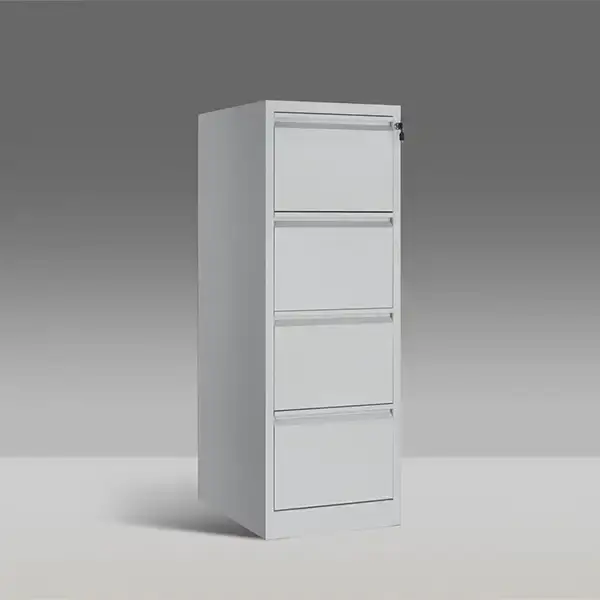
Steel lockers for offices are more than furniture. They define personal space, protect belongings, reduce clutter, and make daily office management easier. By evaluating construction, locking, configuration, and layout, buyers can choose lockers that serve employees for years. Organized employee storage is a small investment with daily returns in order, security, and workplace professionalism. When the requirements are clear, LAKSHYO can help turn them into a practical, durable steel locker solution.