
Office safety is often discussed in terms of signage, training, and emergency procedures, yet the furniture employees use every day plays a direct role in preventing accidents. A filing cabinet that tips, a shelf that collapses under heavy binders, or a storage unit that fuels a fire can turn a routine workday into a serious incident. Steel furniture improves office safety by combining structural strength, non-combustible materials, secure storage, and easy maintenance. For businesses evaluating upgrades, understanding how steel furniture reduces risk is the first step toward a safer workplace. Suppliers such as LAKSHYO can help translate those safety requirements into practical furniture specifications.
Why Office Safety Begins With Furniture
Every office contains furniture that employees touch, move, open, and lean on dozens of times each day. When that furniture fails, the consequences can range from minor cuts to serious crush injuries, falls, and fire-related losses. Safety planners frequently focus on electrical systems and emergency exits, but furniture is part of the same risk environment. A storage cabinet with weak shelves can collapse. A locking unit that is easy to force open can expose confidential records. A desk with poor cable management can create trip hazards and heat buildup around power supplies.
Steel furniture addresses these risks at the material and design level. Steel is strong, dimensionally stable, and non-combustible. It does not absorb moisture, harbor pests, or warp under load in the way wood and laminate can. When specified correctly, steel furniture becomes a long-term safety asset rather than a decorative item that must be replaced every few years.
How Steel Furniture Reduces Workplace Hazards
Fire Resistance and Lower Fire Load
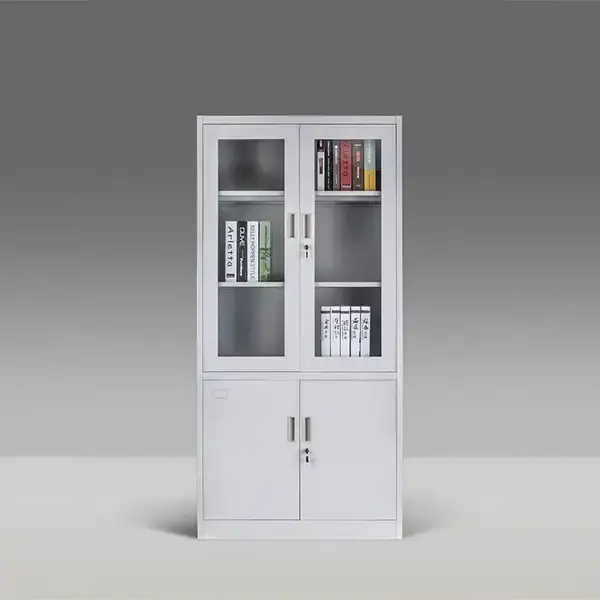
Steel does not ignite and does not add fuel to a fire. In an office, this matters most in storage-heavy areas: file rooms, archives, IT closets, and corridors used for evacuation. Wood, particleboard, and some plastics can contribute to fire spread and smoke production. Steel cabinets and desks reduce the combustible load in these spaces. Steel is not a substitute for a complete fire protection strategy, and fire-rated assemblies should be specified where required. Still, choosing non-combustible furniture supports containment and gives occupants more time to respond.
Structural Strength and Load Stability
Office storage is often overloaded. Binders, paper, laptops, monitors, and equipment add up quickly. Steel frames and shelves resist bending, cracking, and sudden failure better than many alternative materials. Welded or reinforced joints help maintain shape under daily use. Adjustable shelving can be positioned to handle heavy items safely, while reinforced bottoms prevent sagging. A stable cabinet or desk reduces the chance of a collapse that could injure an employee or damage expensive equipment.
Tipping Prevention and Impact Resistance
Furniture tipping is a serious but preventable office hazard. Tall cabinets, mobile pedestals, and multi-drawer units can tip when drawers are opened together or when someone leans on an open door. Steel furniture can be engineered with interlocking drawer systems, anti-tip mechanisms, leveling feet, and wall-anchor points. Because steel is impact-resistant, it also stands up to carts, cleaning equipment, and high-traffic movement without cracking or splintering. That durability keeps safety features aligned and functional over time.
Secure Storage and Access Control
Safety includes protecting people and assets. Steel lockers, cabinets, and drawers provide lockable compartments that resist forced entry better than many wood or plastic alternatives. This is important for confidential documents, medications, tools, electronics, and personal belongings. Controlled access also reduces the risk of unauthorized use of hazardous items. In shared workplaces, secure storage helps prevent theft and disputes, contributing to a calmer and safer environment.
Hygiene and Pest Resistance
Steel surfaces with a powder-coated finish are smooth, non-porous, and easy to clean. They do not absorb spills, odors, or moisture. This makes steel furniture a practical choice for break rooms, medical offices, laboratories, and reception areas. Unlike wood, steel does not swell when wet or provide a food source for pests. Regular cleaning with appropriate products helps maintain hygiene and reduces allergens, mold, and bacteria risk.
Cable Management and Electrical Safety
Poor cable management creates trip hazards and can trap heat around power supplies. Many steel desks and workstations include integrated grommets, cable trays, and vertical raceways. These features keep cords organized, away from walkways, and separated from combustible materials. Steel enclosures can also protect power strips and adapters from accidental contact. The result is a tidier workstation that is easier to inspect and maintain.
Ergonomic Support and Injury Prevention
Safety is not only about preventing sudden accidents. It also means reducing strain injuries over time. Steel furniture can support height-adjustable desks, monitor arms, and ergonomic accessories without flexing or wobbling. Stable work surfaces encourage better posture and reduce the need for awkward reaching. Rounded edges, smooth drawer glides, and soft-close mechanisms further lower the risk of pinches, cuts, and repetitive strain. When employees can adjust their workspace confidently, comfort and safety improve together.
Steel vs. Traditional Office Furniture: A Safety Comparison
The safety advantages of steel become clearer when compared with common office furniture materials. The following points are general differences, not universal rules; construction quality always matters.
- Fire behavior: Steel is non-combustible, while wood, laminate, and many composites can ignite and contribute fuel.
- Structural durability: Steel resists warping, cracking, and pest damage; wood and particleboard can swell, chip, or weaken over time.
- Load stability: Steel shelves and frames handle heavy files and equipment with less sagging when properly engineered.
- Security: Lockable steel compartments offer strong resistance to forced entry and unauthorized access.
- Hygiene: Powder-coated steel is easy to wipe down and does not absorb moisture or harbor pests.
- Maintenance: Steel typically needs only inspection and cleaning, while wood may require refinishing or repair.
- End-of-life: Steel is highly recyclable, supporting waste reduction and responsible facility planning.
Choosing the Right Steel Furniture for a Safer Office
Map High-Risk Areas First
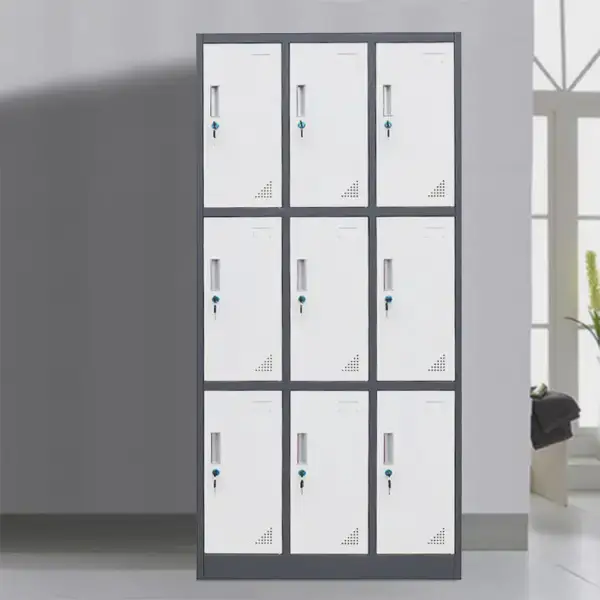
Before selecting products, identify where safety risks are highest. File rooms and record storage areas need load-rated shelving and lockable cabinets. IT and server rooms benefit from non-combustible enclosures and organized cable access. Reception and collaborative zones need stable desks with rounded edges. Break rooms require easy-clean surfaces. Corridors and emergency routes should remain clear, so furniture dimensions and door swings must be planned carefully.
Inspect Construction Quality
Not all steel furniture is built to the same standard. Ask about steel gauge, welding quality, shelf reinforcement, and finish durability. Thicker steel and well-designed bracing improve stability. Powder coating should be evenly applied to prevent corrosion and make cleaning easier. Drawer slides and locks should be rated for frequent use. Hinges and handles should be firmly attached, with no exposed sharp edges.
Confirm Safety Features
Look for anti-tip mechanisms, wall-anchor brackets, leveling feet, and interlocking drawers. If the furniture is mobile, choose locking casters and test them on the intended floor surface. For storage units, confirm that shelves can be adjusted and secured. For desks, check cable management capacity and whether power modules can be safely mounted. These details turn a basic steel product into a safety-focused solution.
Plan Installation and Maintenance
Even the best furniture can become unsafe if it is installed incorrectly. Tall cabinets should be anchored to walls where recommended. Heavy items belong on lower shelves. Aisles should remain clear, and drawers should not open into walkways. Create a simple inspection schedule for locks, hinges, welds, and finishes. Employees should know how to report damage or malfunction. Suppliers such as LAKSHYO can provide guidance on layout, anchoring, and long-term care.
Balancing Safety With Office Aesthetics and Function
Safety improvements do not require an industrial-looking workplace. Modern steel furniture is available in powder-coated colors, wood-grain finishes, glass accents, and modular configurations. This means an office can meet safety goals while maintaining a professional appearance. Steel storage can be integrated into reception counters, collaborative islands, and private offices. Height-adjustable steel desk frames support ergonomic work without sacrificing style. By treating safety as a design requirement rather than an afterthought, organizations create spaces that look good and protect occupants.
Frequently Asked Questions About Steel Furniture and Office Safety
Is steel furniture fireproof?
Steel is non-combustible, meaning it does not ignite or add fuel to a fire. However, no furniture material is completely fireproof under all conditions. Steel can conduct heat, and finishes or internal components may have temperature limits. For critical areas, specify fire-rated assemblies and follow local building codes.
Can steel furniture still tip over?
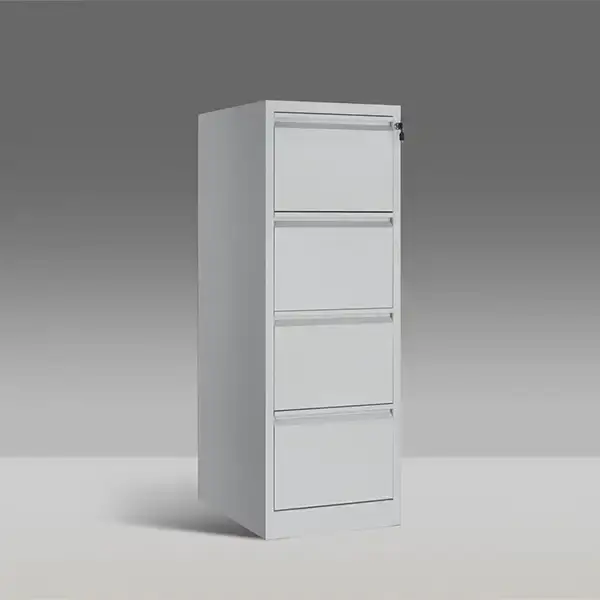
Any tall or mobile furniture can tip if used incorrectly. Steel furniture reduces risk when it includes anti-tip mechanisms, interlocking drawers, and wall anchors. Safe use also depends on loading heavy items low and avoiding multiple open drawers at once.
Is steel furniture comfortable and ergonomic?
Yes, when it is designed for ergonomic use. Steel frames support adjustable heights, stable work surfaces, and monitor arms. Pair steel furniture with ergonomic chairs, keyboard trays, and proper lighting to create a comfortable workstation.
How does steel furniture help with office hygiene?
Powder-coated steel has a smooth, non-porous surface that is easy to clean. It does not absorb spills or moisture and does not provide food or nesting material for pests. This makes it suitable for shared, medical, and food-adjacent environments.
What should I ask a supplier like LAKSHYO?
Ask about steel gauge, load ratings, anti-tip features, lock quality, finish durability, and installation requirements. Request documentation for any safety or environmental claims. A knowledgeable supplier will help match furniture specifications to your actual risk areas rather than offering a one-size-fits-all catalog.
Making Office Safety a Structural Priority
Office safety improves when organizations treat furniture as part of the risk management system. Steel furniture contributes through non-combustible materials, stable construction, secure storage, cable organization, and easy hygiene. It also withstands the daily impact of a busy workplace, so safety features continue to work years after installation. For decision-makers comparing options, the strongest approach is to assess high-risk zones, specify safety details, and partner with a supplier that understands both furniture and facility safety. LAKSHYO supports this process by helping clients select steel furniture that aligns with their operational needs and safety objectives. A safer office is not built from policies alone; it is built from the objects employees use every day.