
When you invest in a steel filing cabinet, the last thing you want is to see orange-brown flakes appearing on its surface. The question “Does a steel filing cabinet rust?” is more nuanced than a simple yes or no. While steel is an alloy known for strength, it is not inherently immune to corrosion. The real answer depends on the grade of steel, the quality of the protective coating, and the environment where the cabinet is placed. This article will walk you through the science behind rust formation, the manufacturing safeguards that prevent it, and the practical steps you can take to keep your cabinet looking pristine for decades.
The Science of Rust: Why Steel Corrodes
Rust is the common term for iron oxide, which forms when iron in steel reacts with oxygen and moisture. Steel is primarily composed of iron, so without a protective barrier, it will eventually oxidize. However, the rate of corrosion is not fixed. It accelerates in high-humidity environments, in the presence of salt or chemicals, and when the protective paint or powder coating is scratched or chipped. Understanding this basic chemistry helps you make an informed decision when purchasing a filing cabinet.
How Steel Grade Affects Rust Resistance
Not all steel is the same. Standard cold-rolled steel used in many cabinets contains little to no chromium, making it vulnerable to rust if left unprotected. In contrast, stainless steel includes at least 10.5% chromium, forming a passive oxide layer that blocks corrosion. Most commercial filing cabinets are made from cold-rolled steel with a multi-layer finish, not stainless steel, so their rust resistance depends almost entirely on the quality of that finish.
Protective Coatings: What Keeps a Steel Cabinet Rust-Free

A well-manufactured steel filing cabinet goes through an extensive finishing process. The most important steps are degreasing, phosphating, and applying a powder coating. Powder coating is baked onto the surface, creating a durable, continuous layer that seals out moisture. At LAKSHYO, each cabinet is treated with a nano-ceramic phosphate pretreatment and an anti-corrosion powder coating, ensuring a thickness that meets industrial standards. Without these layers, even the strongest steel would not survive long in a typical office environment.
Key indicators of a rust-resistant finish
- Multi-stage pretreatment: Look for mention of degreasing and phosphating in the manufacturing process.
- Powder coating thickness: A quality coating typically exceeds 60 microns; thinner coatings are more prone to pinholes and early rust.
- Edge coverage: Rust often starts at sharp edges where coating is thinner. Laser-cut edges and electrostatic application help ensure full coverage.
Real-World Conditions That Trigger Rusting
Even the best-coated cabinet can rust under extreme conditions. Coastal offices with salt-laden air, industrial environments with airborne chemicals, and unventilated basements with high humidity all pose a higher risk. Also, placing a cabinet directly against a damp wall or leaving wet documents inside can create micro-environments where moisture concentrates. Regular inspection and preventive maintenance are essential if your workplace is in any of these settings.
How to identify early rust signs
Early rust appears as tiny brown specks or a dull, rough texture. Often it starts on the lower panels, inside drawers, or around handleholes. Checking these areas every three months helps you catch corrosion before it spreads. If you see surface rust, removing it with fine sandpaper and applying touch-up enamel can stop further damage.
How to Choose a Rust-Resistant Steel Filing Cabinet
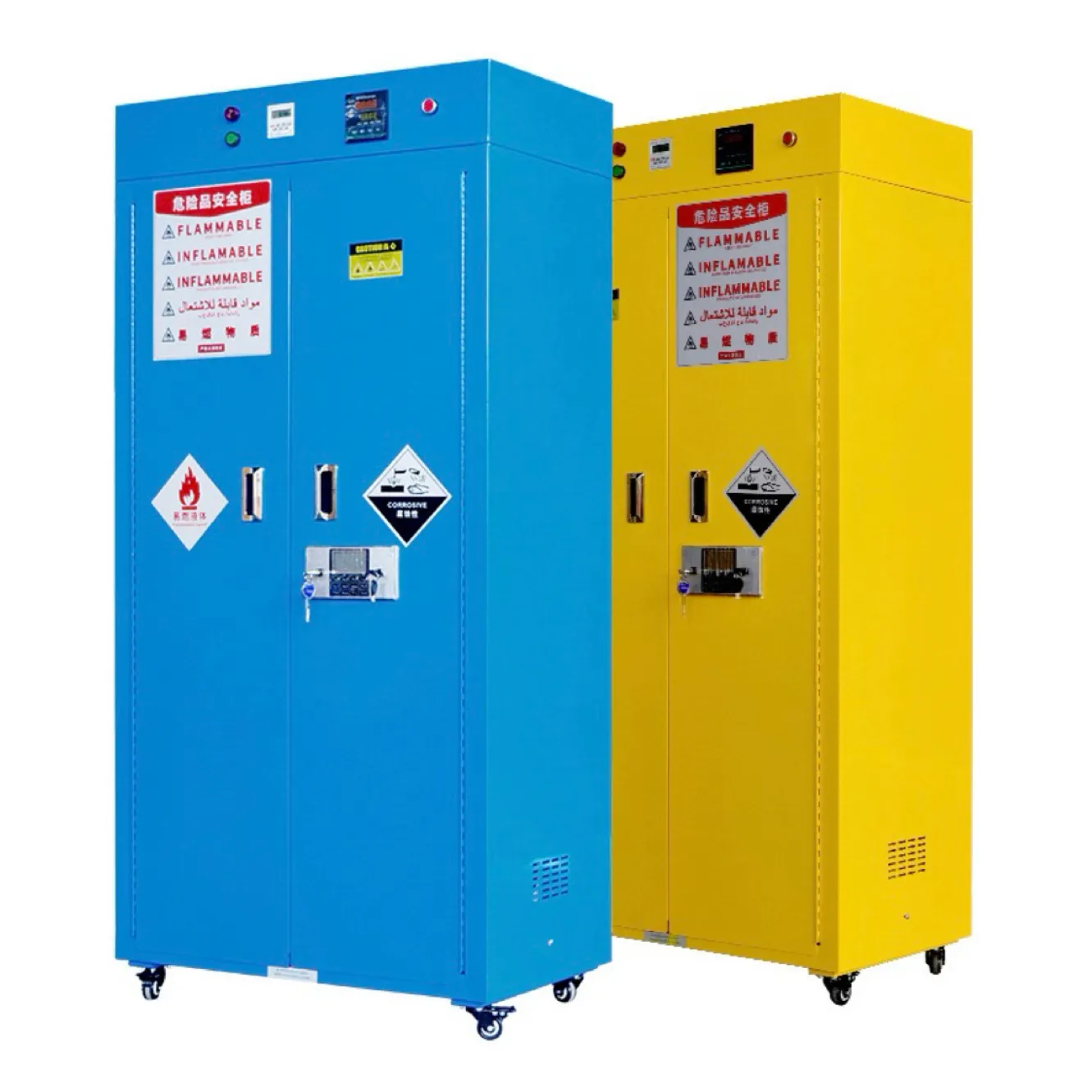
When comparing cabinets, pay attention to the manufacturer’s finishing process rather than just the steel thickness. A 0.6mm steel panel with premium coating is far more rust-resistant than a 1.0mm panel with a thin painted layer. Ask for specifications about the coating system and whether the cabinet meets corrosion resistance standards like ISO 9227 (neutral salt spray test). Factories that conduct salt spray tests for 72 hours or more demonstrate a genuine commitment to durability.
Questions to ask before purchasing
- What type of pretreatment is applied before painting?
- Is the finish powder coated or liquid painted?
- What is the minimum coating thickness?
- Does the cabinet come with a warranty that covers rust?
Why LAKSHYO Steel Cabinets Stand Out
LAKSHYO has built its reputation on manufacturing office storage that withstands humid climates and rigorous daily use. Every filing cabinet is produced with a nano-ceramic conversion coating that enhances adhesion and corrosion resistance, followed by a 70-micron powder coating. This two-phase protection means your investment remains rust-free even in demanding conditions. Additionally, LAKSHYO’s draw slides are zinc-plated and the internal frames are electrostatically coated, eliminating potential weak points where corrosion typically begins.
Choosing a rust-resistant steel filing cabinet is not about guessing; it is about verifying the science and the production standards behind the product. By understanding how rust forms and what protective measures matter, you can select a cabinet that serves your office for years without ugly stains or structural weakening.
If you have a procurement project or are upgrading your office furniture, always prioritize the corrosion protection features described above. A slightly higher upfront investment in a properly finished steel cabinet saves far more money in replacement and maintenance costs later. LAKSHYO offers a complete range of rust-resistant steel filing cabinets designed for professional environments. Inspect the finish, ask the right questions, and your steel cabinet will stay strong and clean for a lifetime.