
A home office desk takes more punishment than almost any other piece of furniture in the house. It holds monitors, laptops, printers, and coffee cups, and it stays in place for years while everything around it changes. That is why many buyers eventually move away from lightweight particleboard and toward metal. Steel desks for home offices offer a combination that is hard to match: a frame that does not wobble, a surface that resists scratches and heat, and a look that reads as deliberate rather than temporary. This guide covers what makes a steel desk genuinely sturdy, how to judge build quality before you order, and how to choose a style that fits a room people actually live in.
Why Steel Desks Suit a Home Office Better Than You Might Expect
The mental image of a metal desk is still the grey institutional slab from a 1970s office. That image is out of date. Modern steel desks are powder-coated in matte white, charcoal, sand, olive, and near-black, and they are built in slim profiles that work in a bedroom corner or a shared living space. The material changed less than the design language did.
What has not changed is the structural advantage. Steel resists the two forces that destroy cheap desks: lateral sway and surface wear. A wooden or laminated desk with a hollow core will typically start to shift under typing pressure within a year or two, and the top will show ring marks, dents, and lifted edges. A steel frame holds its geometry, and a powder-coated top shrugs off most of what a daily workspace throws at it.
Stability You Notice Every Day
Wobble is not a cosmetic problem. A desk that rocks when you type makes typing less accurate, makes handwriting harder, and makes a monitor arm or a clamp-on lamp feel unsafe. Steel legs with proper cross bracing eliminate that movement, which matters even more in a home office where the desk often sits on carpet or uneven floorboards rather than a level commercial floor.
Surfaces That Survive Real Life
Powder coating is applied as a dry powder and cured under heat, which produces a finish far more durable than wet paint or standard laminate foil. It resists moisture, cleaning solvents, and the small accidents that happen when a workspace doubles as a dining table or a homework station.
What Actually Makes a Steel Desk Sturdy
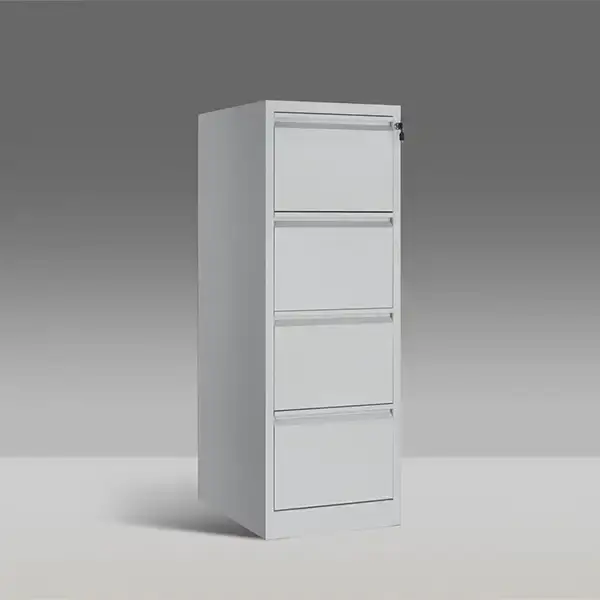
Not every metal desk is built to the same standard, and the differences are usually invisible in product photos. These are the specifications worth checking before you commit.
- Steel gauge and tube thickness: Thicker tubing resists flex. A frame made from thin-walled tube can look identical to a heavy one until you lean on it.
- Leg geometry and bracing: Four legs alone are not enough. A horizontal stretcher, an apron, or a full under-frame ties the legs together and stops side-to-side movement.
- Weight capacity rating: A stated load figure tells you what the manufacturer tested. If no figure is published, treat that as a warning sign.
- Levelling feet: Adjustable glides compensate for uneven floors and protect hardwood from scratching. Fixed plastic caps cannot do either job well.
- Joint construction: Welded joints outperform bolted ones for rigidity, but bolted frames with proper gussets can be equally solid and easier to ship and repair.
- Edge finish: Rounded or rolled edges are more comfortable for forearms during long sessions than a sharp square cut.
Questions to Ask Before Ordering
Ask the supplier what gauge of steel the frame uses, whether the desk ships with a written load rating, and whether replacement feet or hardware are available separately. A desk you can maintain for a decade is worth more than one you replace every three years. For buyers specifying multiple units or non-standard sizes, working directly with a manufacturer such as LAKSHYO makes it easier to confirm frame specifications before production rather than after delivery.
Sturdy and Stylish: Matching Steel to Your Space
Durability is only half of the brief. A steel desk also has to look like it belongs in your home.
Finish and Colour
Matte finishes hide fingerprints better than gloss and photograph well on video calls. Warm neutrals such as sand, beige, and off-white soften the industrial edge; deep charcoal and black recede into the background and make cable clutter less visible. If the desk sits in a bedroom, a lighter finish usually keeps the room feeling open.
Shape and Size
- Rectangular tops offer the most usable surface area for the footprint.
- L-shaped and corner configurations suit dual-monitor setups and small rooms.
- Height-adjustable frames combine steel rigidity with sit-stand flexibility.
- Open under-desk space matters if you need to fit a filing cabinet or a chair with arms.
Steel vs. Wood, Laminate, and Glass
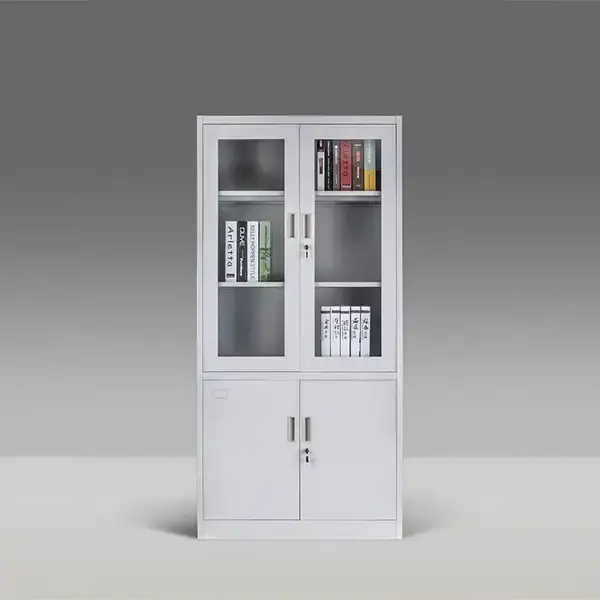
Each material makes a different trade-off. Here is how steel compares on the points that matter most in a home office.
- Stability: Steel wins. Rigid frames resist sway; hollow-core wood and thin glass tops flex and vibrate.
- Durability: Steel wins on impact and heat resistance. Solid hardwood is comparable but costs considerably more.
- Weight: Wood and laminate are lighter and easier to move alone. Steel desks are heavy, which is the price of rigidity.
- Maintenance: Steel needs a damp cloth. Wood needs oiling or polishing and is vulnerable to water rings.
- Appearance: Wood offers warmth and grain; steel offers clean lines and colour consistency across multiple units.
- Lifespan: A well-built steel desk can outlast two or three laminate replacements.
How to Choose the Right Steel Desk
- Measure the available floor space and the height of your chair, then confirm the desk height sits between your elbows and your wrists when seated.
- Decide whether you need a fixed height or an adjustable frame. If two people share the workspace, adjustability usually pays for itself.
- Plan cable routing before you buy. Grommets, under-desk trays, and rear channels keep a steel desk looking clean.
- Check the finish against the room lighting. Order a sample or a single unit before committing to a larger order.
- Confirm the warranty, the spare-parts policy, and the delivery method, since heavy steel items often ship by freight.
Assembly, Care, and Long-Term Value
Most steel desks assemble in under an hour with a hex key and a second pair of hands. Tighten bolts progressively rather than fully, then go around the frame a second time once everything is aligned. Felt pads or the supplied glides protect wood flooring, and a light tightening check once a year keeps the frame feeling as solid as it did on day one.
Clean powder-coated surfaces with a damp microfibre cloth and a mild detergent. Avoid abrasive pads and solvent-based cleaners, which can dull the finish even if they do not strip it. Treat the desk reasonably and it will hold its appearance through years of daily use.
Frequently Asked Questions
Are steel desks too industrial for a home office?
Not when the finish and proportions are chosen carefully. Slim legs, rounded edges, and warm matte colours read as contemporary rather than utilitarian. Pairing a steel frame with a wood-effect top is another way to soften the look.
Will a steel desk scratch my floor?
It can, if the legs have bare metal ends. Adjustable glides with nylon or felt bases prevent scratching and also let you level the desk on uneven flooring.
Can a steel desk hold multiple monitors and a heavy PC?
Yes, provided the frame carries a published load rating and the top has adequate thickness. Check the rating against the combined weight of everything you plan to place on the desk, including monitor arms that clamp to the edge.
A steel desk is one of the few home office purchases that gets better with age: no sagging shelves, no peeling laminate, no wobble creeping in after a year of daily typing. Choose a frame with real bracing, a powder-coated finish, and a load rating that exceeds what you plan to put on it, and the desk will outlast several rounds of computer upgrades. Buyers who need consistent quality across multiple units or custom dimensions can source directly from a steel furniture manufacturer like LAKSHYO and confirm specifications before the order goes into production. Sturdy and stylish are not competing goals here; with steel, they come from the same decision.