
Choosing the right steel filing cabinet is more than a storage decision — it affects how your team navigates documents, how much floor space you preserve, and how efficiently your office runs. Lateral and vertical cabinets each serve distinct workflows, and the difference goes far beyond appearance. Understanding their dimensions, accessibility, and load distribution will help you make a confident investment. This guide breaks down the practical trade-offs so you can determine which configuration aligns with your space and filing habits — a choice that becomes especially important when you plan for long-term document growth and daily retrieval frequency. Whether you are outfitting a new office or reconfiguring an existing one, the decision deserves careful thought.
Understanding the Two Cabinet Types
Both lateral and vertical steel filing cabinets are engineered for document storage, but their geometry and intended use cases differ significantly. Recognizing these distinctions is the first step toward a purchase that serves your team for years.
What Is a Vertical Steel Filing Cabinet?
A vertical cabinet is the traditional, narrow profile most people picture when they think of office filing. Its drawers are oriented so that files face you as you pull them out — the folder's short side is visible. A typical vertical unit measures roughly 15 inches deep and 12 to 15 inches wide, and it relies on stacking drawers vertically to achieve capacity. These cabinets excel in tight footprints, fitting neatly beside desks or against short wall segments where floor space is at a premium.
What Is a Lateral Steel Filing Cabinet?
A lateral cabinet presents a wider footprint — typically 30 to 36 inches wide — with drawers that allow files to be viewed from the side. This configuration accommodates both letter- and legal-sized documents with greater flexibility, and it often features drawers deep enough for front-to-back filing or side-to-side hanging systems. Lateral cabinets support higher overall capacity per drawer and generally offer a flat top surface that can double as a credenza or additional workspace.
Key Differences at a Glance
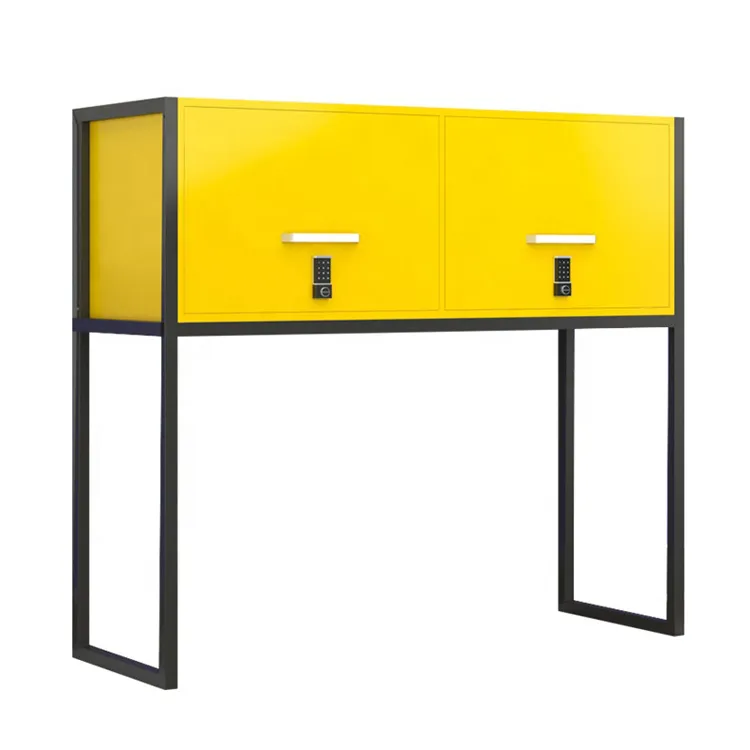
The comparison below highlights the core operational differences that should drive your selection process:
- Floor footprint: Vertical cabinets occupy far less floor space per unit, making them ideal for compact offices or rooms with limited wall clearance.
- Storage capacity per drawer: Lateral cabinets hold significantly more documents per drawer because of their wider interior, reducing the number of units you need as your archive grows.
- Filing orientation: Vertical systems use front-to-back filing; lateral systems can switch between front-to-back and side-to-side, offering more organizational versatility.
- Drawer extension and stability: Lateral drawers extend fully with heavier loads and are generally more resistant to tipping when multiple drawers are open, as the wider base distributes weight better.
- Top-surface utility: Lateral cabinets often serve as a credenza or printer stand; vertical cabinets rarely offer usable top space beyond a small decor area.
Space Efficiency and Office Layout
Your available floor plan should be the first filter in this decision. If your office runs narrow corridors or compact workstations, a vertical cabinet's small footprint delivers maximum capacity per square foot. However, you pay for that density with a taller profile — some vertical units reach up to five drawers high, which can feel imposing and may require a step stool for top-drawer access.
Lateral cabinets, by contrast, spread storage horizontally. A 36-inch-wide lateral cabinet holds roughly the same volume as two stacked vertical cabinets while standing at a more accessible height. This makes lateral units particularly effective in open-plan offices where low-profile furniture maintains sightlines and fosters a collaborative atmosphere. If you are furnishing a reception area or an executive office, a lateral cabinet's clean top surface also eliminates the need for a separate credenza, freeing up floor area elsewhere.
Capacity: Matching Storage Volume to Your Workflow
Capacity planning goes beyond counting files — it involves anticipating growth. Lateral cabinets, especially those with 36-inch widths, can store up to double the linear filing inches of an equivalent-height vertical cabinet. For example, a four-drawer vertical unit typically offers around 24 inches of filing depth per drawer, while a 30-inch lateral provides roughly 30 inches, and a 36-inch lateral approaches 36 inches.
Beyond volume, consider retrieval frequency. If your team files and retrieves documents throughout the day, the lateral cabinet's wider drawers and full-extension slides make it easier to browse multiple folders at once. Vertical cabinets suit archival or alphabetized materials where users know exactly which folder they need before opening a drawer. Businesses managing mixed media — binders, box files, folders — will find lateral units less restrictive because of the adjustable filing mechanisms and the ability to store items side-by-side rather than only front-to-back.
Security, Durability, and Ergonomics
Both cabinet types are manufactured with heavy-gauge steel, but the structural considerations differ when you factor in daily use. Vertical cabinets, given their narrower base, must meet strict stability standards to prevent tipping when multiple loaded drawers are opened simultaneously. High-quality models incorporate interlocking mechanisms that allow only one drawer to open at a time — a safety feature that also reduces the risk of a top-heavy unit falling forward.
Lateral cabinets offer inherently better stability because of their wider stance, and they often include provisions for anti-tip brackets as well. For ergonomics, lateral drawers place the opened file surface closer to your body plane, reducing the need to bend sideways when searching through folders. This may seem minor, but for staff who file continuously, the difference translates into measurable reductions in shoulder and back strain over a workday. Furthermore, both configurations can be ordered with locking bars and tamper-resistant locks, though lateral units tend to accommodate higher-security locking systems more easily because of their larger faceplate area.
Matching the Cabinet to Your Industry
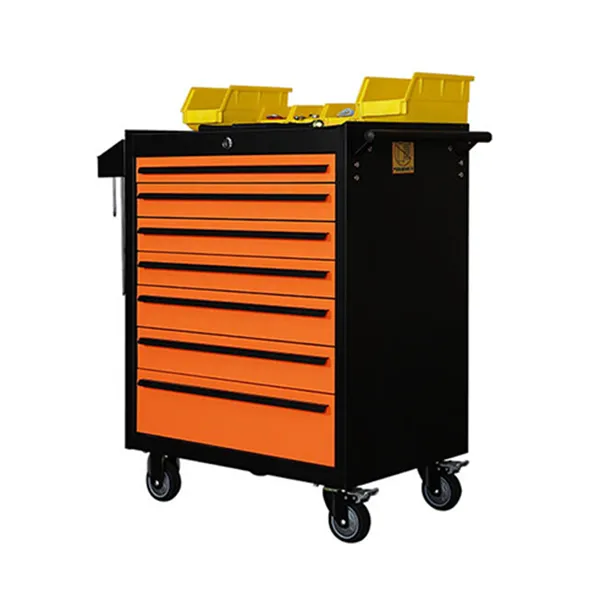
Different sectors impose different filing demands, and this is where LAKSHYO's product range offers practical alignment. Legal and accounting firms handling extensive client files often prefer lateral cabinets for their legal-size capability and higher per-unit capacity, which reduces the number of cabinets required in storage rooms. Healthcare administrative offices, by contrast, may prioritize the compact footprint of vertical cabinets to keep patient records close to reception areas without consuming workspace.
Educational institutions and government offices frequently choose a mix of both — vertical for active student or citizen records, lateral for archival storage and collaborative zones. The deciding factor is usually how often a file will be accessed. High-frequency access favors lateral; low-frequency, space-constrained storage favors vertical.
Guidelines for Making Your Final Decision
Before you purchase, evaluate your environment using these criteria:
- Measure your available floor space and ceiling clearance. Vertical suits narrow, tall spaces; lateral suits wide, low-profile areas.
- Audit the types of documents you store. Legal-size folders, binders, and mixed media demand lateral flexibility.
- Project your filing growth over the next five years to avoid under-buying.
- Consider who will use the cabinets daily and whether ergonomic access is a priority.
- Verify that the model you select complies with relevant safety standards, especially for vertical units.
LAKSHYO offers both lateral and vertical steel filing cabinets engineered for institutional-grade durability and smooth operation. Whichever configuration you choose, investing in a quality steel cabinet protects your records and streamlines your team's daily workflow.