
Startups rarely get the chance to furnish an office twice. Every unit of budget spent on a desk is money that is not going into hiring, product development, or go-to-market. That is why steel office furniture has become a default choice for founders who need workspaces that look credible, survive daily use, and still leave room for growth. This guide explains how to judge cost-effectiveness properly, which specifications genuinely matter, and how to plan a purchase that stays affordable as headcount changes.
Why Steel Delivers the Lowest Cost Per Year of Use
Purchase price is the least useful number in office furniture budgeting. The metric that decides whether a fit-out was smart is cost per year of service. A desk that costs twice as much but lasts four times as long is the cheaper desk, and steel is the material that most reliably produces that outcome in high-traffic startup offices.
The hidden cost of cheap alternatives
Low-cost particle board and thin laminate furniture usually fails in predictable ways: swollen edges after a spilled coffee, chips around the keyboard tray, sagging shelves, and drawers that stop aligning after a year of use. Each failure triggers a replacement, a delivery, and downtime for the person using that workstation. In a 30-person office, replacing even a fifth of the desks annually quickly erases the savings made at purchase.
Where steel wins on total cost
- Structural durability: powder-coated steel frames resist impact, moisture, and warping far better than wood composites.
- Reconfiguration: steel desks, pedestals, and cabinets can be dismantled, moved, and reassembled when teams are reshuffled, so a layout change does not require new furniture.
- Cleaning and hygiene: smooth coated steel surfaces tolerate frequent wiping, which matters in shared and hot-desking environments.
- Residual value: used steel furniture holds resale and trade-in value that composite furniture typically does not.
Specifications That Separate Value From False Economy
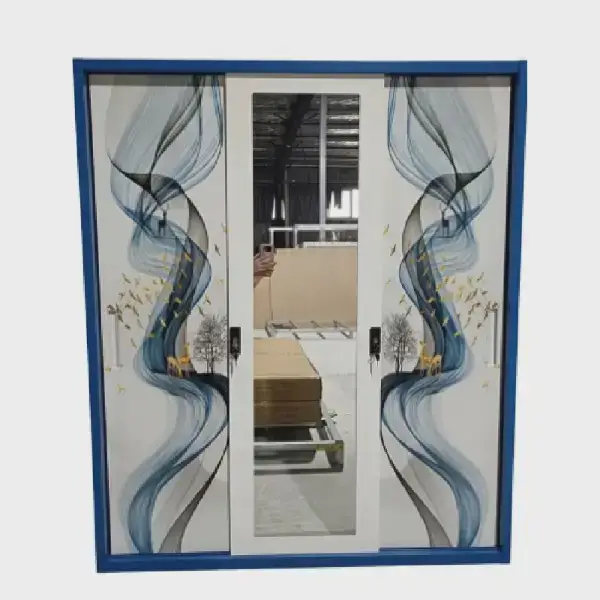
Not all steel furniture is equal, and the differences are usually invisible in a product photo. Before comparing quotes, confirm the following points with the supplier:
- Steel gauge and tube thickness for load-bearing frames and legs
- Powder-coat finish quality and pretreatment process, which determine rust resistance
- Welded versus bolted joints at the highest-stress points
- Edge and corner finishing, so there are no sharp returns or exposed metal
- Locking mechanism type and whether keys or cylinders can be replaced individually
- Load ratings for shelves, drawers, and desktop weight distribution
- Availability of spare parts such as glides, handles, and locks
A supplier who can answer these questions precisely is usually a supplier who can also support you three years later, when one office chair of drawers needs a new lock rather than a full replacement.
Matching Steel Furniture to a Startup Floor Plan
Workstations and desks
For most early-stage companies, the practical core is a bench or cluster desk system with shared cable management. Steel frames support this well because they can be configured as two, four, or six-seat clusters and later split into single desks. Standardizing on one desktop size reduces the number of spare parts you need to keep in storage.
Storage that pays for itself
Mobile pedestals and steel filing cabinets are the highest-return items in a lean fit-out. They give every employee lockable personal storage, which allows you to run a smaller footprint per person without people leaving laptops and documents on desks. Lockable steel storage also supports basic compliance expectations around document handling.
Hybrid and hot-desking layouts
If part of the team works remotely, plan fewer fixed desks and more shared ones. Steel desks with adjustable-height options and lockable pedestals handle this model better than fixed wooden desks, because they can be reassigned without wear becoming visible.
Steel Versus Wood, Laminate, and Particle Board
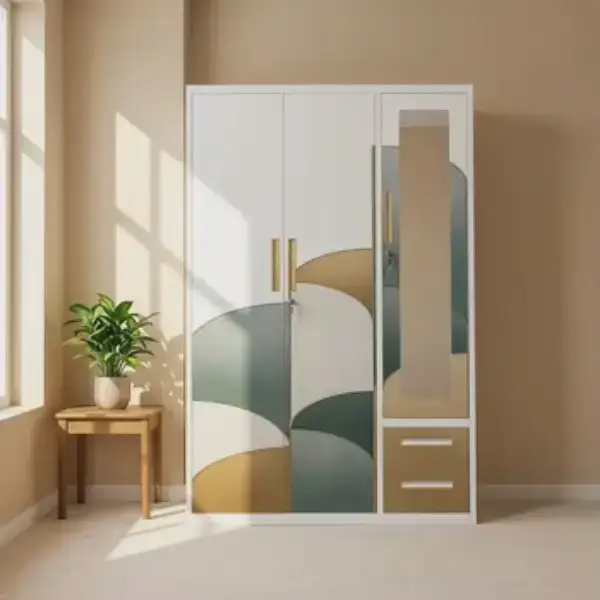
The comparison below reflects how these materials behave in a working office, not in a showroom:
- Lifespan: steel frames commonly serve 8 to 12 years in office conditions; composite panels often need replacement within 3 to 5 years.
- Moisture resistance: steel is unaffected by spills and humidity; wood composites swell and delaminate.
- Reconfiguration: steel components are modular and reversible; composite furniture is often damaged during disassembly.
- Fire and safety profile: steel does not contribute fuel load in the way wood-based panels do.
- Aesthetic flexibility: wood and laminate offer warmer finishes, though coated steel is now available in a wide range of neutral colors that suit modern offices.
- Upfront price: composite is cheaper per unit; steel is cheaper per year of use in almost every realistic startup scenario.
How to Buy Without Overspending
- Buy the core first. Fund desks, seating, and lockable storage before decorative items. Meeting-room and reception furniture can follow in a second phase.
- Standardize on one or two footprints. Mixed sizes increase spare-part inventory and complicate future moves.
- Order in a single batch where possible. Consolidated orders reduce per-unit shipping, assembly visits, and lead-time risk.
- Ask about flat-pack delivery and on-site assembly. This choice often decides whether a fit-out fits the budget.
- Confirm spare-part and warranty terms in writing. The ability to replace a lock rather than a cabinet is a direct cost saving.
- Work with a manufacturer, not only a reseller. Direct manufacturing partners such as LAKSHYO can advise on gauge, finish, and configuration, and can supply matching components as you scale from 10 to 50 seats.
Frequently Asked Questions
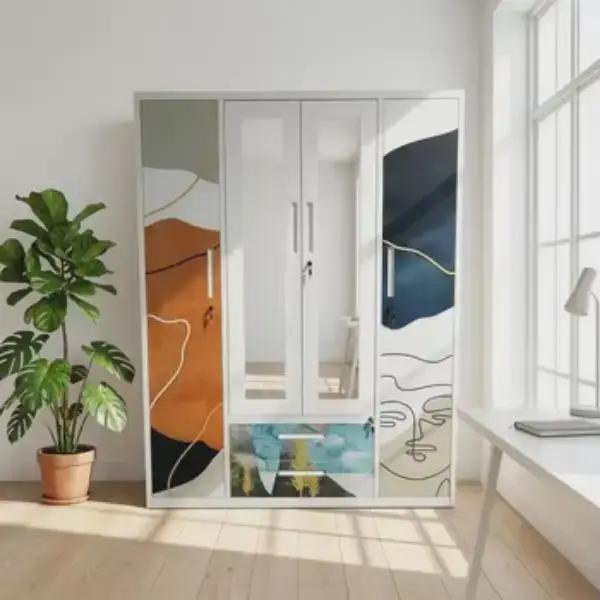
Is steel furniture too industrial-looking for a client-facing office?
Modern powder-coated steel is available in matte neutrals, greys, and warm tones, and it pairs well with wood-effect tops. The industrial impression usually comes from exposed rivets and raw metal, not from steel itself. Specify a coated finish and clean joint lines.
How much should a startup budget per workstation?
Treat the budget as a per-seat figure that includes desk, storage, and cable management, and compare quotes on that basis rather than on the desk alone. A slightly higher per-seat cost with modular steel components typically reduces total spend over a three-year horizon.
Can steel furniture be moved when we relocate?
Yes, if it is bolted rather than welded at the joints that need to be separated. When ordering, confirm which components are designed to be dismantled and how many times they can be reassembled without compromising stability.
Does buying used steel furniture make sense?
It can, especially for filing cabinets and pedestals, which are simple to inspect. Check the powder coating for rust at the base, confirm that locks and keys work, and verify that replacement glides are still available.
The Bottom Line
Cost-effective steel office furniture is not the cheapest furniture on the quote sheet. It is the furniture that is still doing its job when your team has doubled, your layout has changed twice, and your competitors are replacing swollen desks for the second time. Choose the right steel gauge and finish, standardize on a small number of modular components, and buy from a manufacturer who can support spare parts and expansion. That approach keeps your fit-out budget predictable, which is exactly what an early-stage company needs most.